
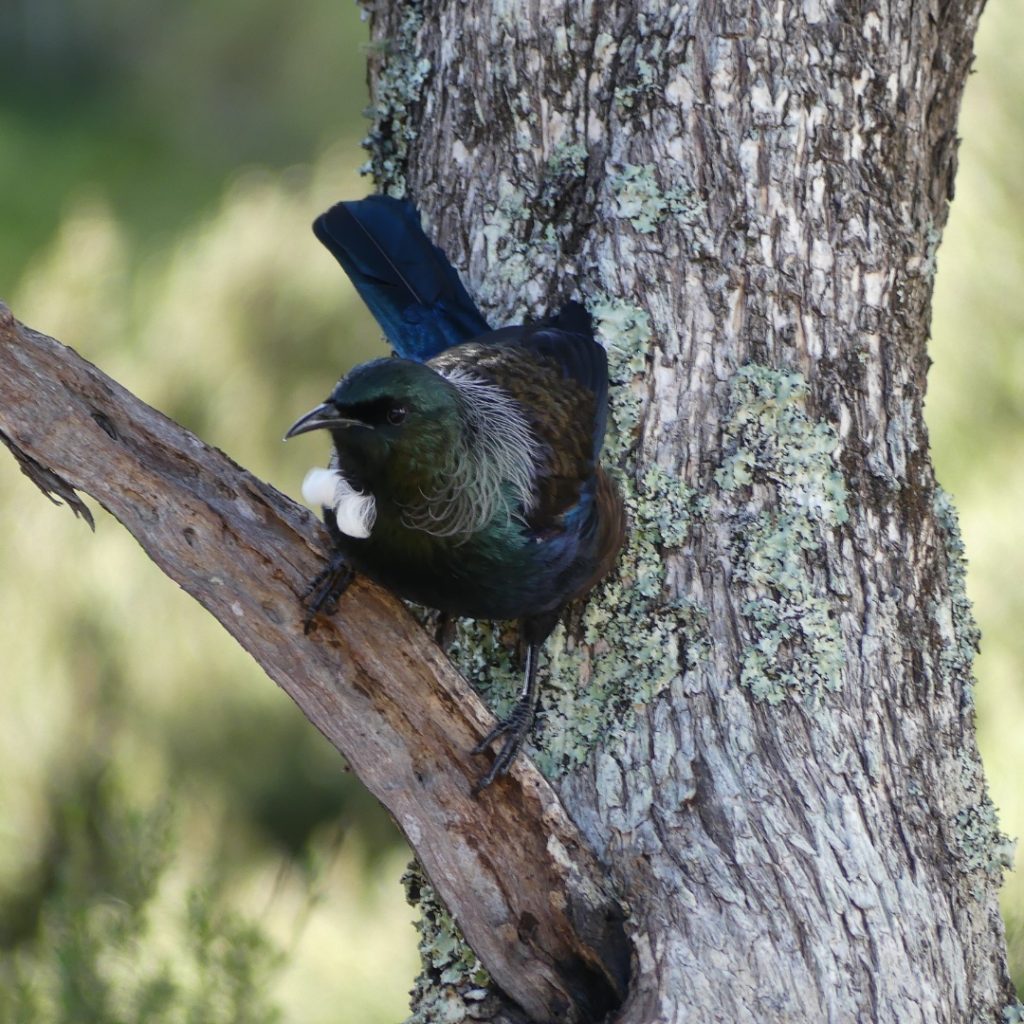
There is a growing trend that professional and amateur trappers alike are noticing: the very birds we are trying to protect are getting in the way, namely by stealing bait and lures that are meant to attract their predators. It is important for us to consider the behaviour of native species when trapping and baiting their predators, and take steps to ensure our actions aren’t backfiring.
Why is Bait Theft a Problem?
Our treetop friends have keen senses and are known to be very curious creatures. From nectar and fruits to nuts and seeds, they are always keen for a snack – wherever they can find it. This is where their curiosity can get the best of them.
With lures and bait being designed to attract pests, naturally they are disguised as food. When birds get in there before the lures have the opportunity to work on pests, they are slashing the efficacy of these trapping measures we take to protect them. Even worse, on occasion, these acts of petty thievery can end with the birds setting off the traps on themselves or ingesting toxins that may prove fatal.
Unlike most lures, which tend to be non-toxic, baiting involves chemicals specifically targeted to controlling the population of certain species. These chemicals, when ingested by different species, may cause a host of unwelcome symptoms or even death. This is why taking steps to ensure your pest control measures are accounting for eager-eyed birds is a must.
What Are Bird-Safe Practices?
Whether you’re working rurally to protect large swaths of land or looking to keep your garden pest-free, bird safety is always a concern. Wherever there are birds, there is the risk of them sticking their beaks into your traps.
There are some simple measures for making backyard trapping bird-friendly: namely by placing lures and setting traps in the evenings, once bird activity has settled down for the night, then checking and disarming them in the morning. However, depending on the size of the area you are covering, and the quantity you’re using, this is not always practicable. This is especially true of bait, which you don’t really want to be handling constantly.
Some measures you can take to increase bird safety, in backyards or expanded areas, include:
How Can You Keep Birds Safe from Baiting?
It is so important when working with toxic substances like baits to keep them away from the unwitting – which includes children, pets, and birds. Sometimes the best way to do this is also the easiest: finding products built for the task. Luckily, at Connovation, we have bait stations thoughtfully designed for just this purpose, suitable for home or professional use.
Whichever method you’re using to control your pests, whether it’s across acres or in your garden, bait stations allow for easy and safe management of both bait and traps. With designs that have had curious beaks and other wildlife concerns in mind, we take pride in our range of tools available.
Here at Connovation value practicality, humaneness, and utility in keeping our native species thriving. Helping Aotearoa towards a Predator-Free 2050 has never been easier.