Christmas hours: last shipping day Wed 16 December, back 11 January. See full details
$75.90 – $2,397.18Price range: $75.90 through $2,397.18 incl GST
$75.90 – $2,379.18Price range: $75.90 through $2,379.18 incl GST
Wallabies were introduced to New Zealand in the 1800s and the population is growing rapidly. The Dama Wallaby around Lake Tarawera and the Bennett’s Wallaby in the South Island are the most numerous and are considered real pests.
Wallabies feed on young plants and saplings which threatens the regeneration of native forests. They also compete with livestock by consuming valuable pasture. One adult Bennett’s Wallaby can eat as much as one sheep.
That’s why carrying out wallaby pest control is essential to protect our native forests and valuable agricultural resources.
New Zealand has six species of wallaby: Black Tail or Swamp, Dama or Tammer, White throated, Bush-tailed, Black Striped, and the larger wallaby – Bennett’s Wallaby.
Got a wallaby problem? We can help, whether your problem’s big or small. Our wallaby control products are more humane, environmentally friendly, and innovative.
We’ve got:
Buy our wallaby control products individually or in bulk.

Start by monitoring. Chew cards and tracking tunnels show which pests are present from their bite marks or footprints, so you don’t spend time and money controlling the wrong pest.
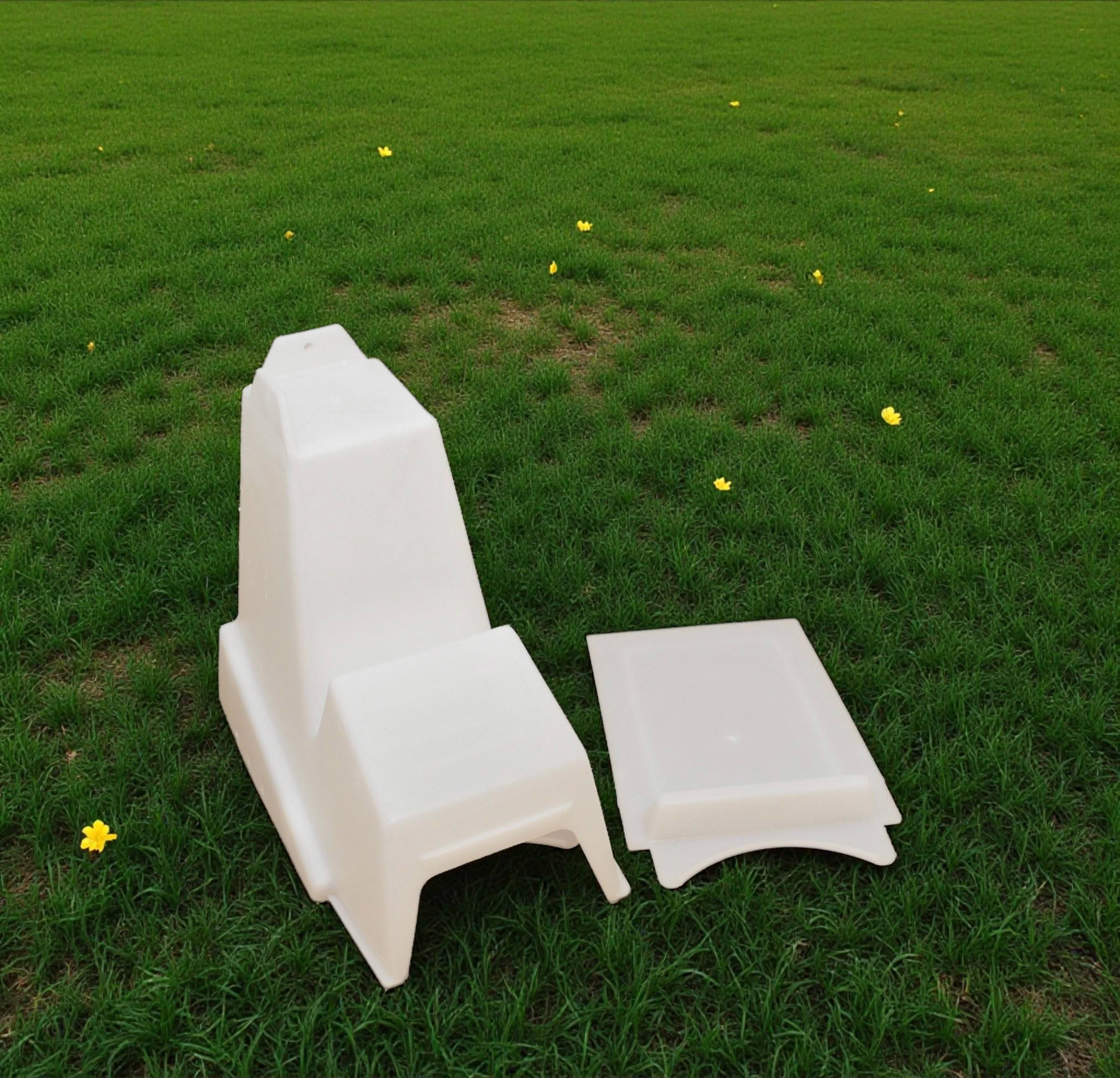
Traps are toxin-free and suit smaller areas, or places where pets and children are around. Toxins in bait stations cover larger areas more efficiently. Many programmes get the best results by using both.
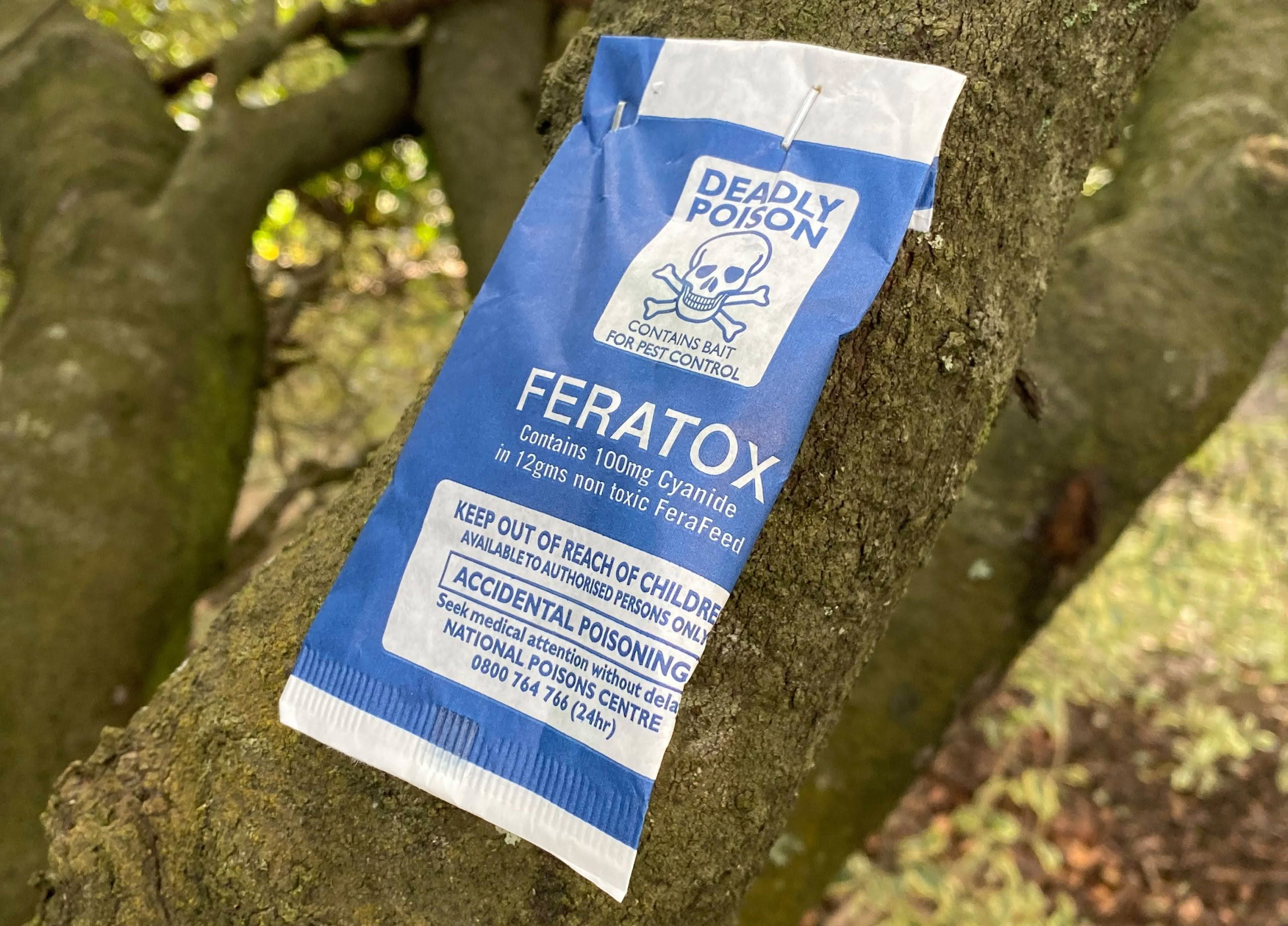
Some toxins require a Controlled Substance Licence (CSL), and these are clearly marked on the product page. We must sight and record your licence before sale. Traps, lures, monitoring tools and many baits don’t need one.
Pests tend to travel along edges, so place them where you’ve seen signs of activity, such as fence lines, bush edges, tracks, streams and sheltered spots near food sources. Keep them out of reach of children, pets and livestock.
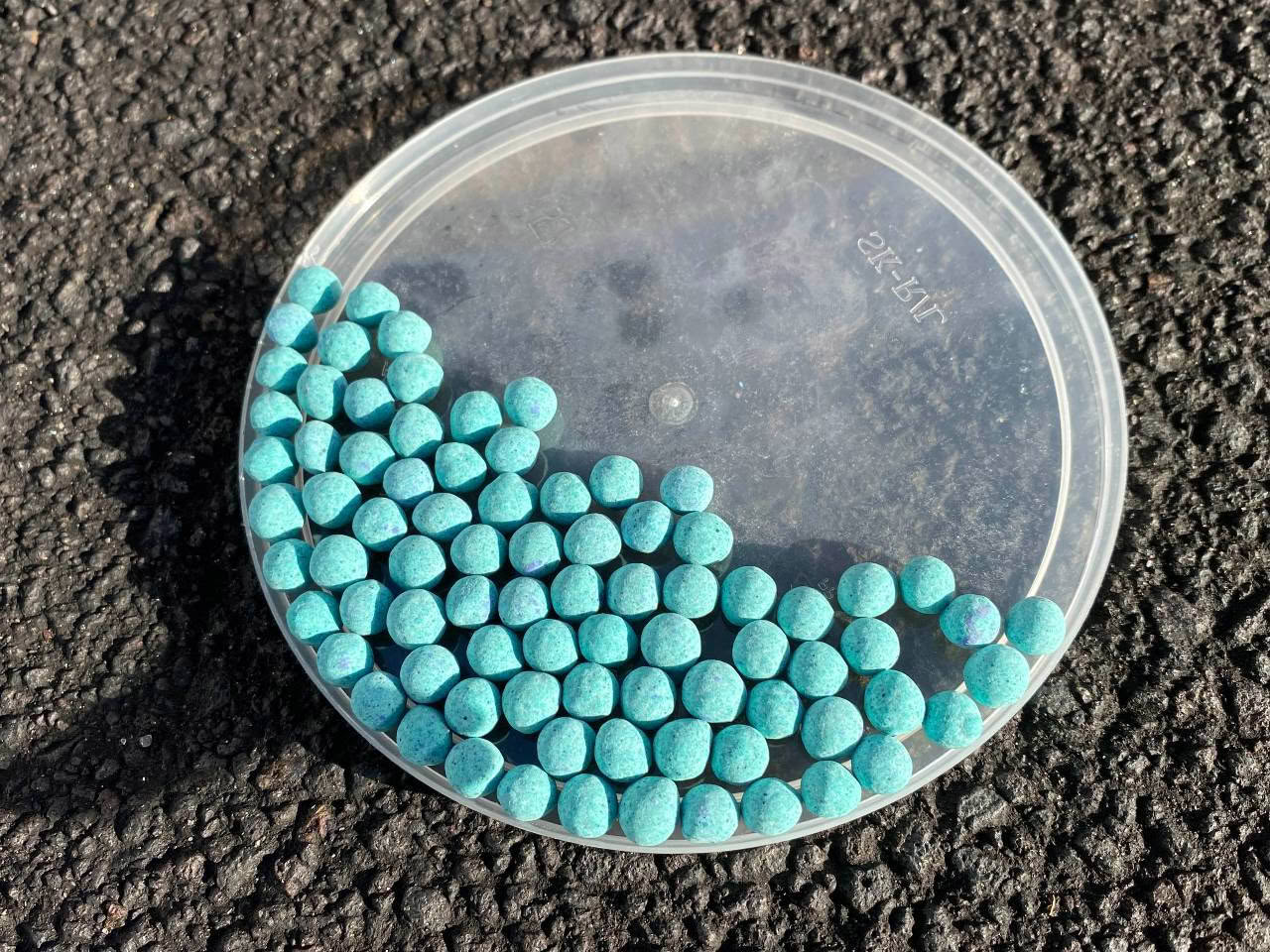
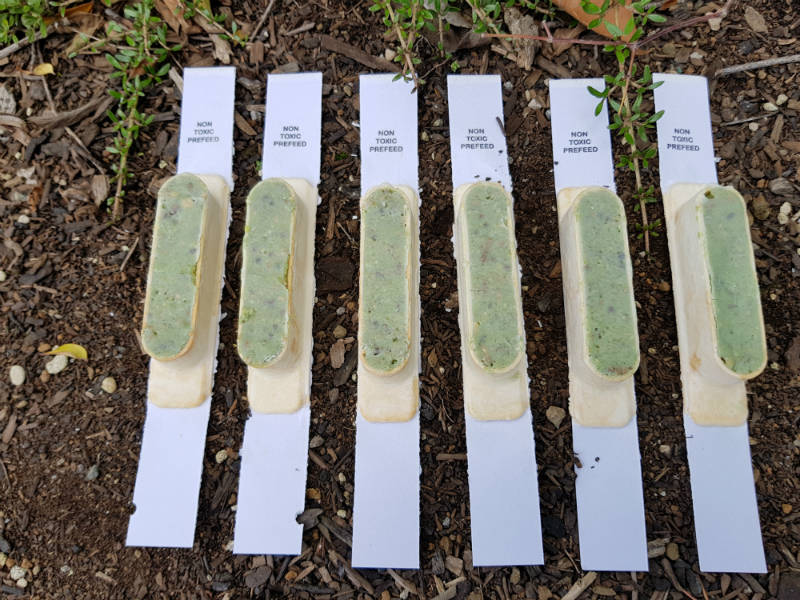
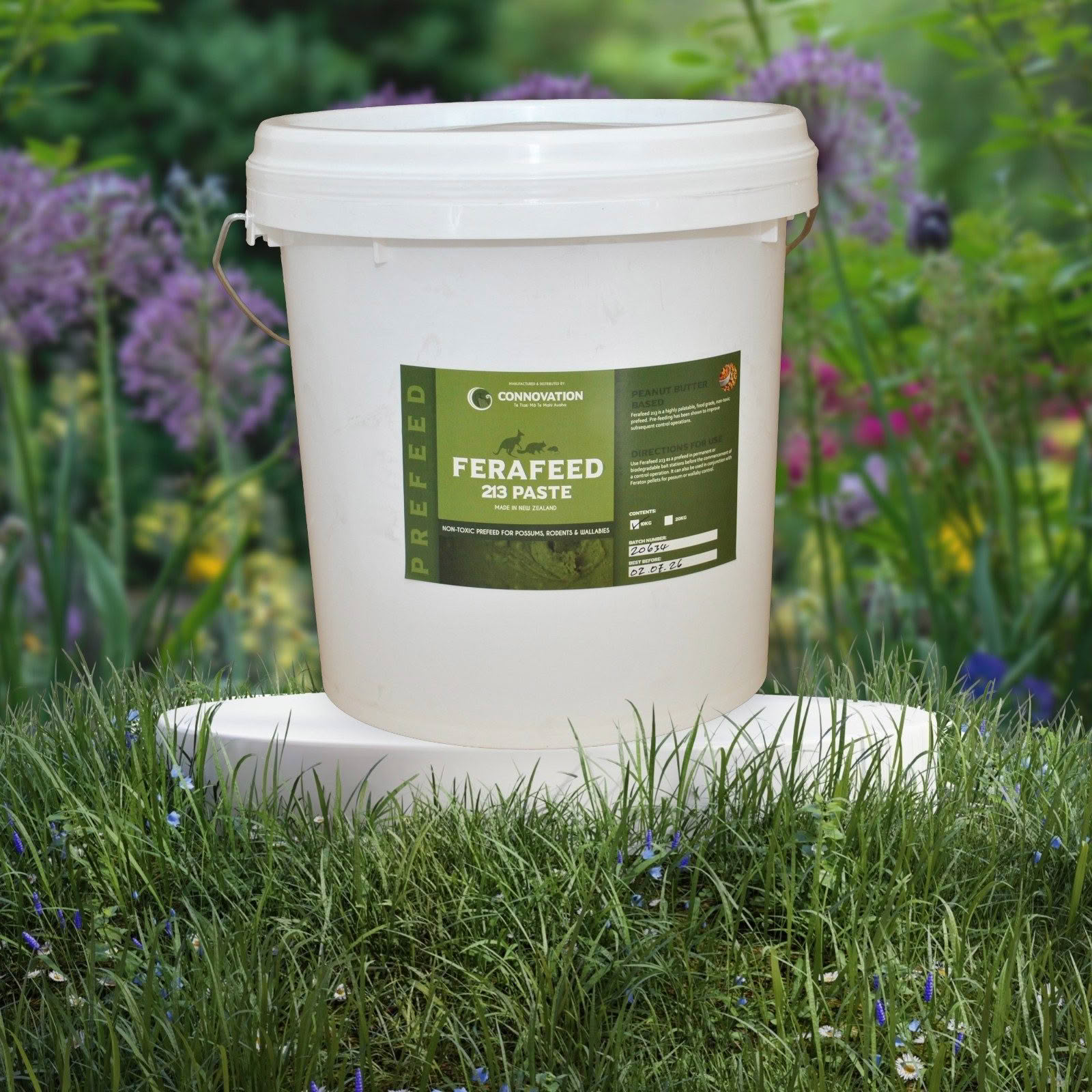
Prefeeding means putting out non-toxic bait before introducing toxin. It gets pests used to the taste and location, so they keep coming back, and that makes your control much more effective.
Check them regularly. Remove catches promptly, refresh bait and lures, and look for damage or debris that could stop them working.
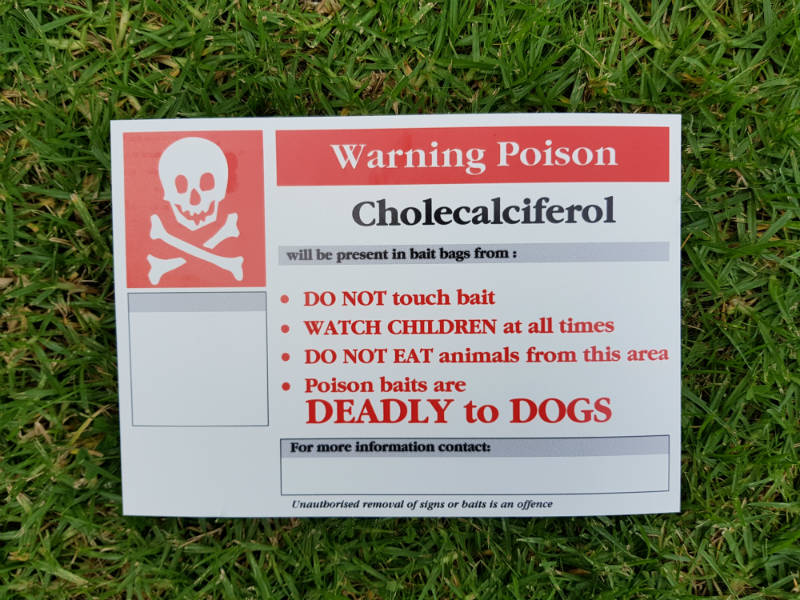
When used correctly, following the label and Safety Data Sheet, our products are designed to keep the risk to native species and non-target animals low. Always use toxins in bait stations, display warning signs where required, and keep pets and livestock away from treated areas.
Yes. Most products come in larger quantities for farms, conservation groups and professional pest controllers. Contact our team for bulk orders or advice on the right products for your site.