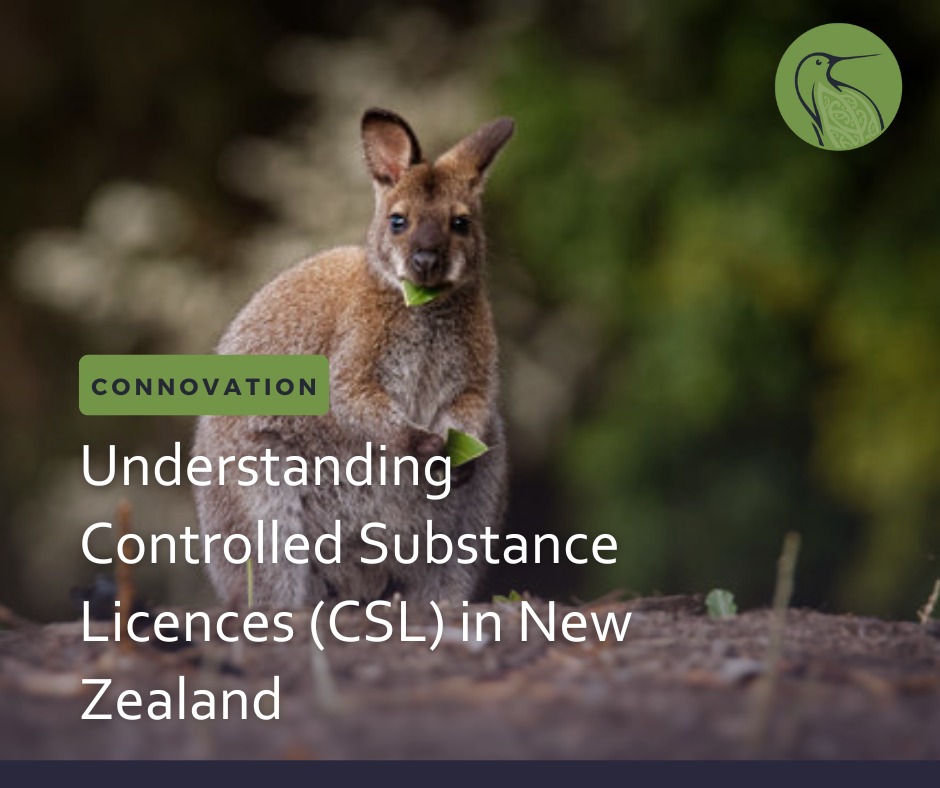
New Zealand’s commitment to protecting its unique biodiversity has led to the implementation of stringent regulations around the use of hazardous substances, including pest control toxins. One of the critical components of this regulatory framework is the Controlled Substance Licence (CSL). This blog will provide an introduction to what a CSL is, why it is necessary, and how to obtain one.
A Controlled Substance Licence (CSL) is a regulatory requirement in New Zealand for individuals and organisations that intend to use, handle, or store certain hazardous substances, including specific pest control toxins. The CSL ensures that these substances are managed safely and responsibly to protect human health and the environment. The licence is mandated by the Environmental Protection Authority (EPA) under the Hazardous Substances and New Organisms (HSNO) Act 1996.
The need for a CSL stems from the potential risks associated with handling hazardous substances. Here are the key reasons why a CSL is crucial:
Obtaining a CSL involves several steps designed to ensure that applicants are capable of handling hazardous substances safely and responsibly:
At Connovation, we prioritise the safe and responsible use of pest control substances. Our products are designed to be effective while minimising risks to human health and the environment.
Obtaining a Controlled Substance Licence is crucial in ensuring the safe and effective use of pest control substances in New Zealand. By understanding the requirements and processes involved, and with the support of Connovation’s expert team, you can contribute to the protection of New Zealand’s unique biodiversity while complying with regulatory standards.
Visit our website or contact our team of experts to learn more about our products that require a CSL.