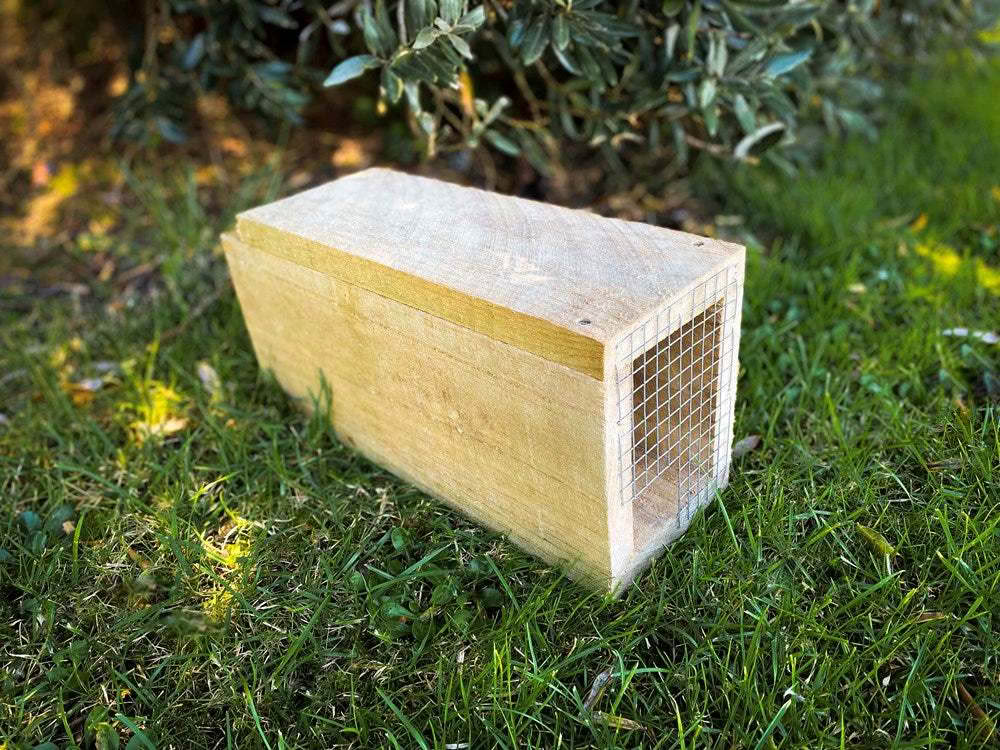
Cyclone Aftermath: Combatting the Surge in Rats with Ratabate Paste & Bait Stations
After the recent cyclone swept through parts of New Zealand, many communities are now facing a different kind of clean-up challenge: a sharp rise in

After the recent cyclone swept through parts of New Zealand, many communities are now facing a different kind of clean-up challenge: a sharp rise in
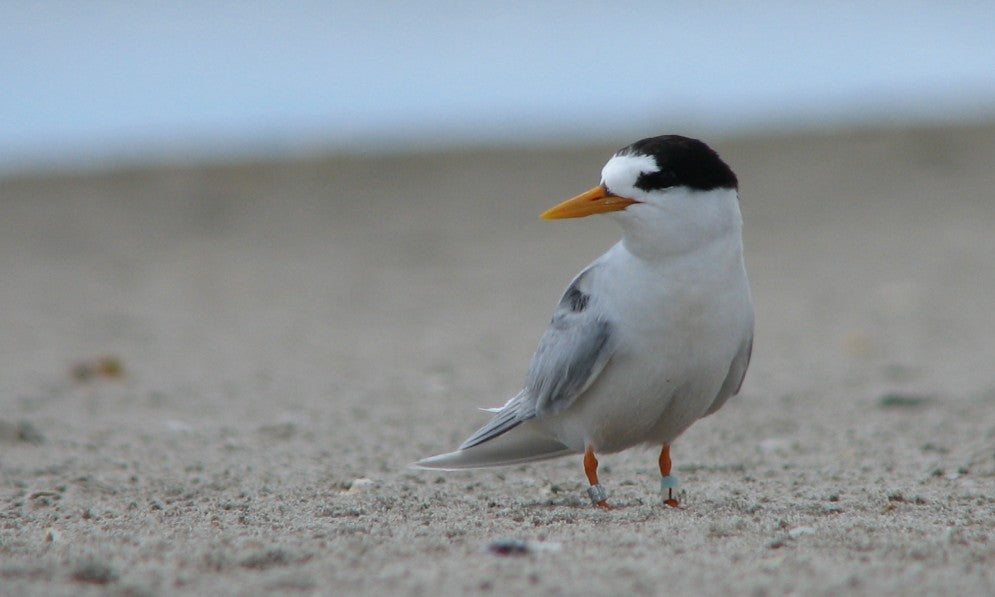
New Zealand is famous for its rare and remarkable birdlife, but few species are as critically endangered — or as enchanting — as the Fairy
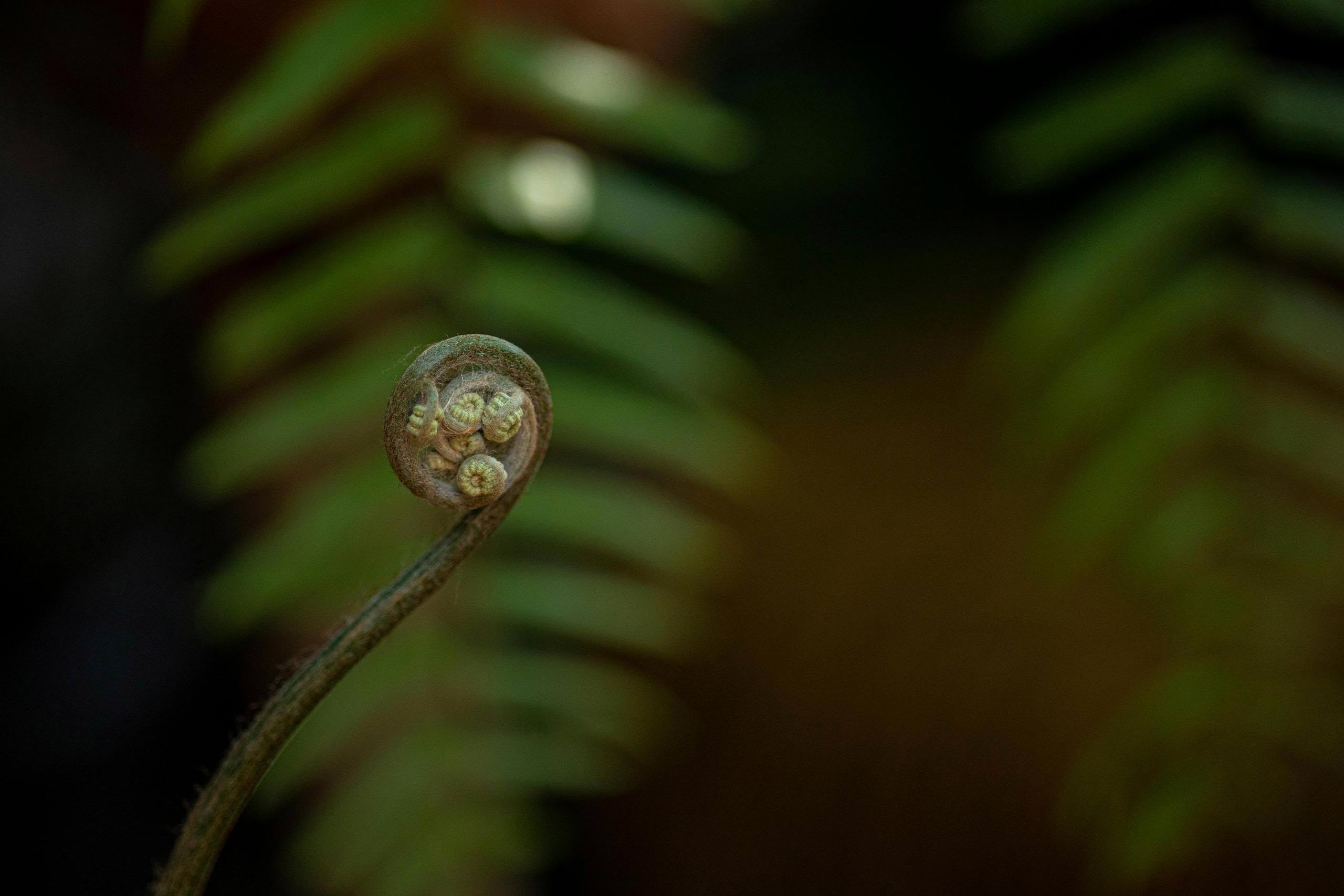
New Zealand’s native flora represents a unique chapter in the world’s botanical tapestry, distinct in its evolutionary path forged in relative isolation. With over 2,363
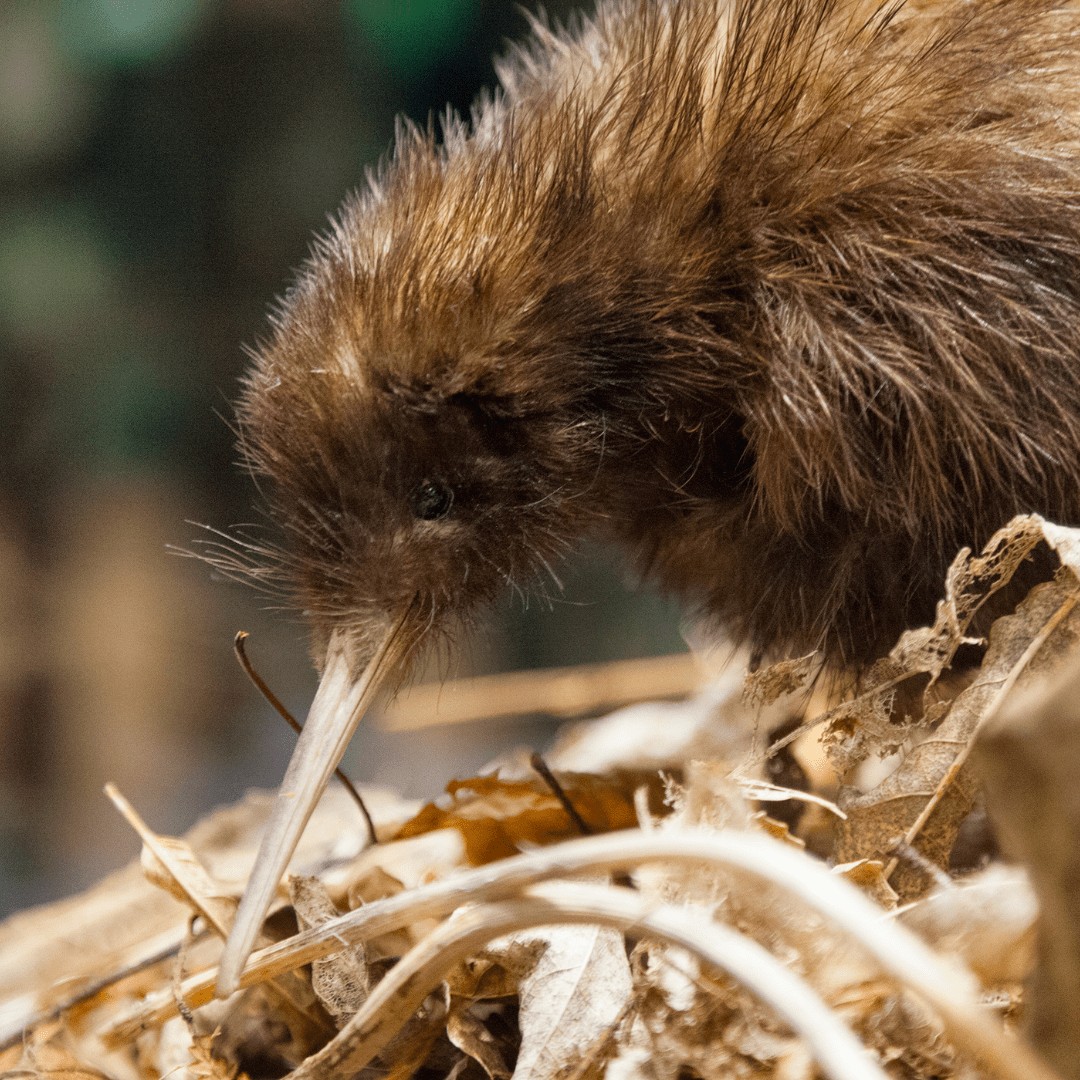
The Kiwi: National Bird of New Zealand and the Threats to Their Survival Our Iconic Kiwi: A National Treasure The kiwi, a symbol associated with
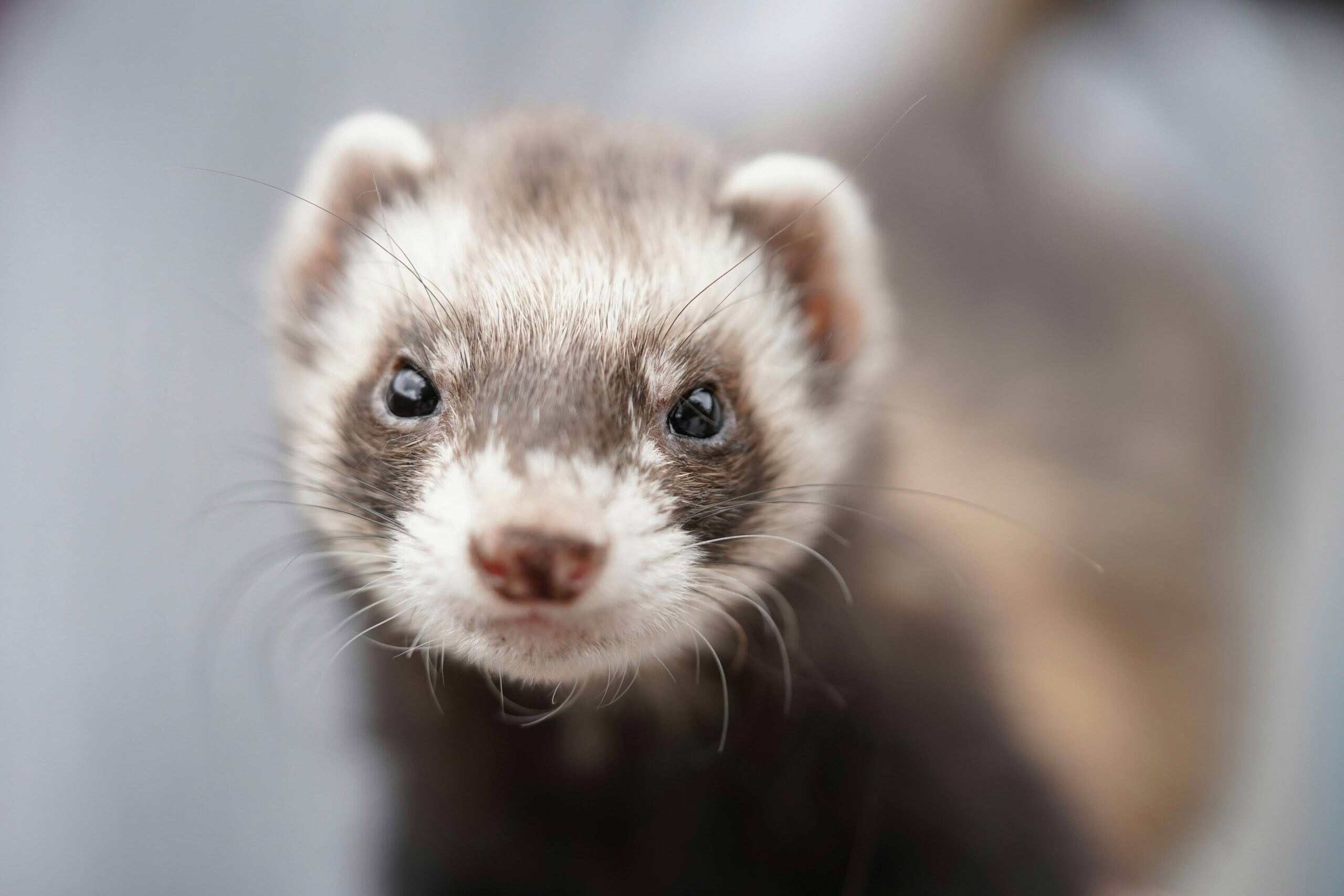
Mustelids, a family of carnivorous mammals that includes stoats, ferrets, and weasels, are among the most devastating invasive species in New Zealand. Introduced in the
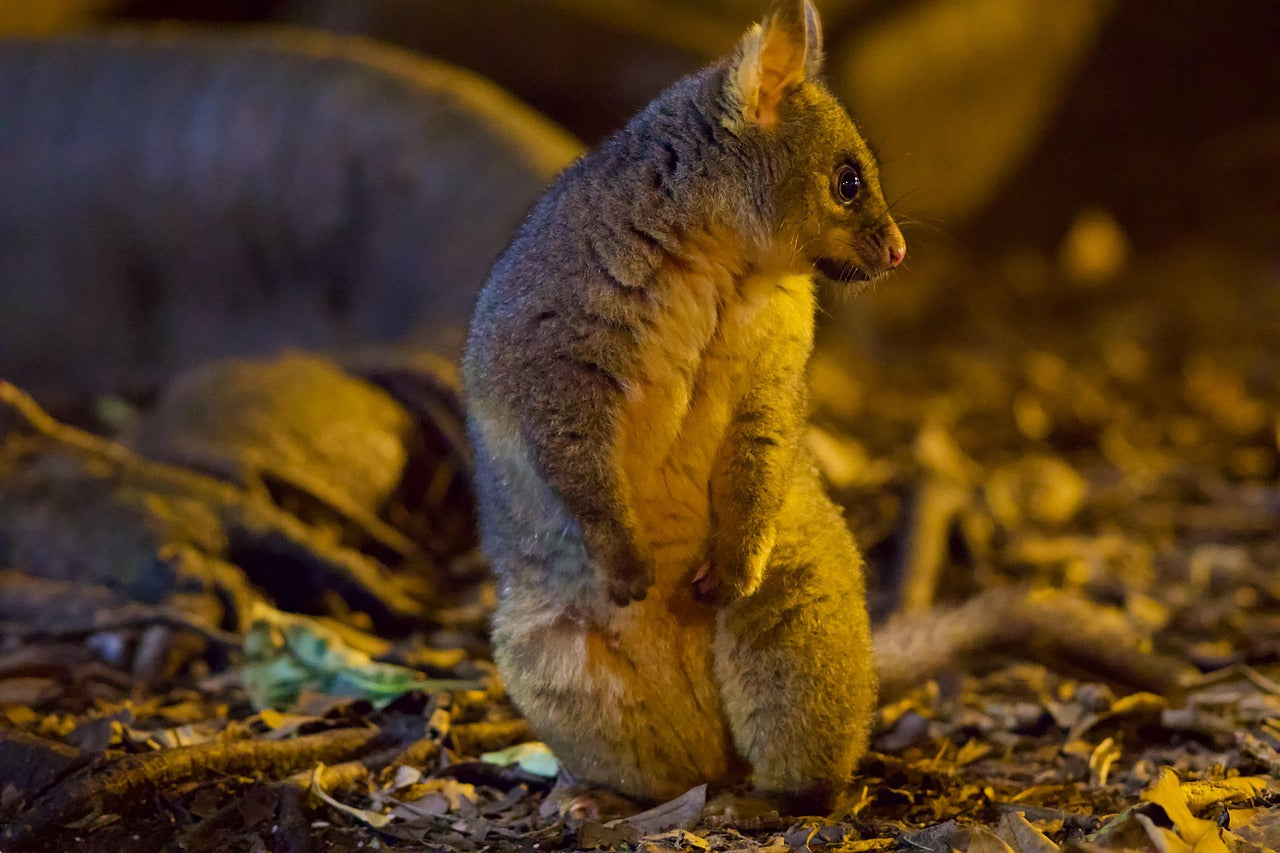
Possums, originally introduced to New Zealand from Australia in the 19th century for the fur trade, have since become a critical threat to the country’s
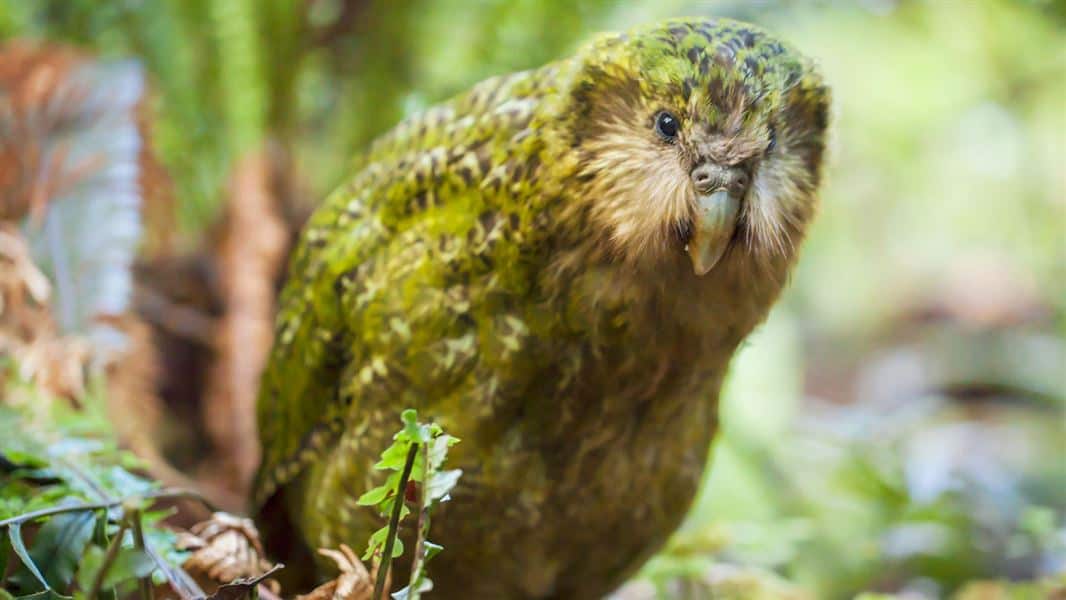
The kākāpō, a distinct and endearing symbol of New Zealand’s natural heritage, faces critical challenges from invasive pests threatening its survival. As a large, flightless
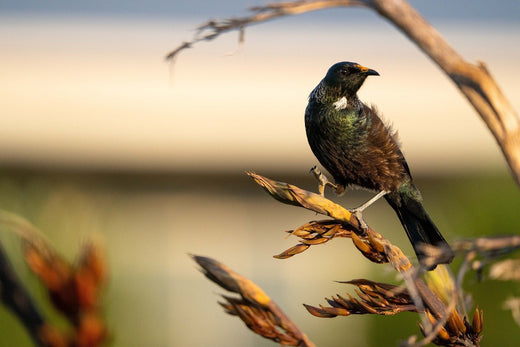
The New Zealand tui is one of the country’s most enchanting native birds, known for its iridescent plumage and remarkable vocal abilities. However, rising threats
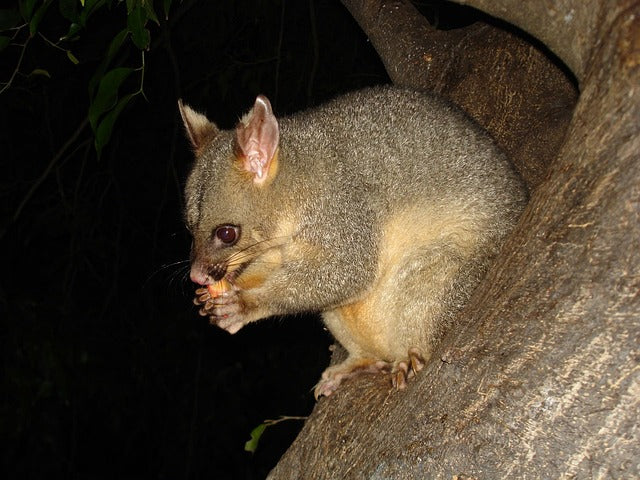
Possums might seem harmless, but in New Zealand, they pose a significant threat to our native ecosystems, agriculture, and even human health. Originally introduced from
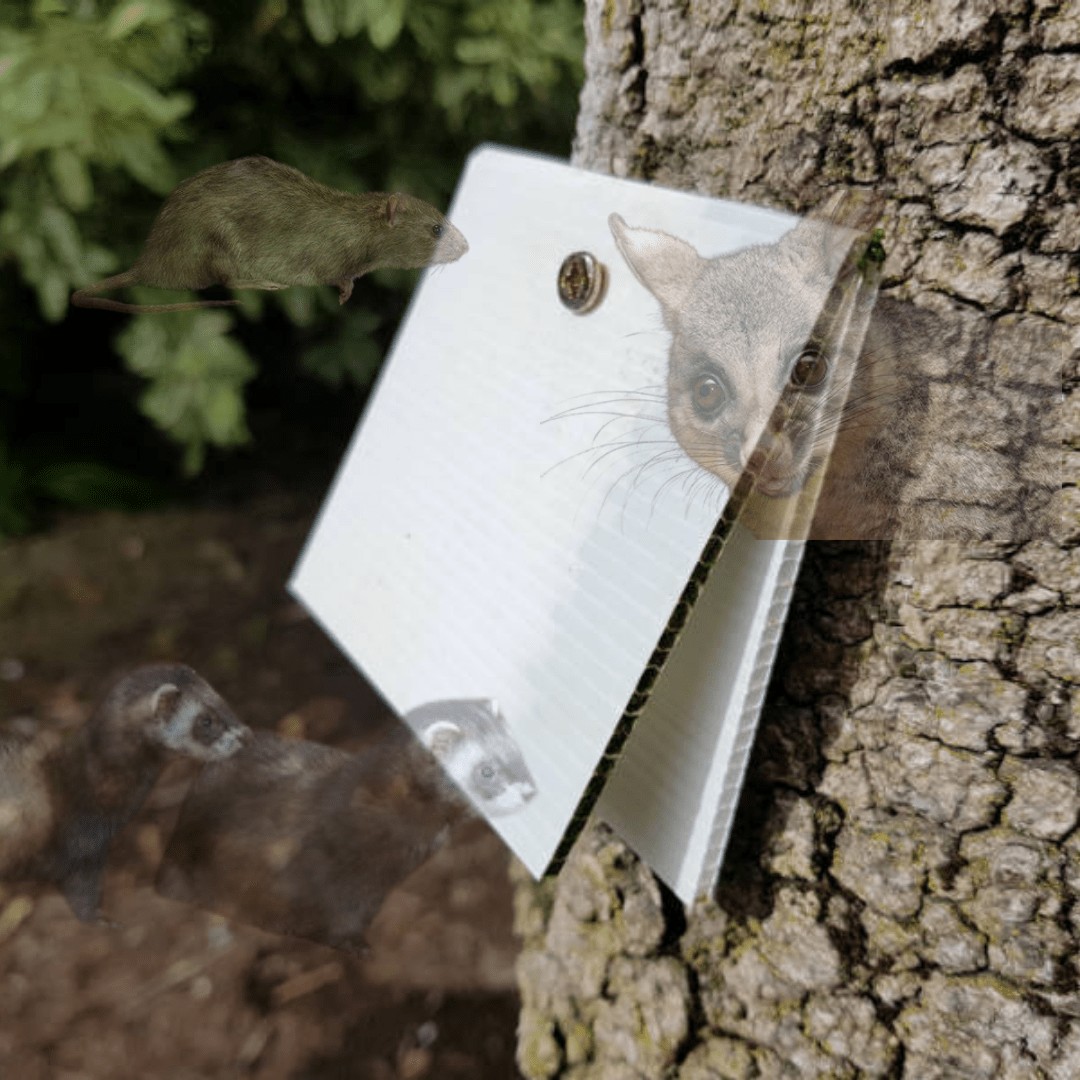
Chew marks around your property indicate the presence of unwelcome visitors that might harm your environment. Identifying these marks is crucial for implementing effective pest
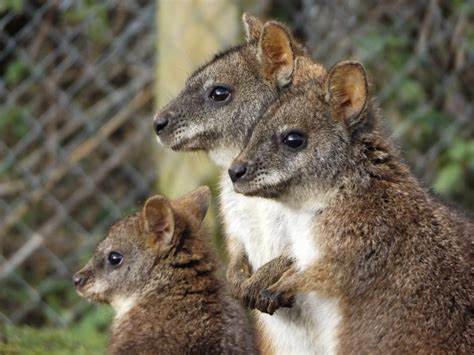
While adorable to some, dama and parma wallabies pose significant ecological and agricultural challenges in New Zealand. These small marsupials, introduced from Australia, have become
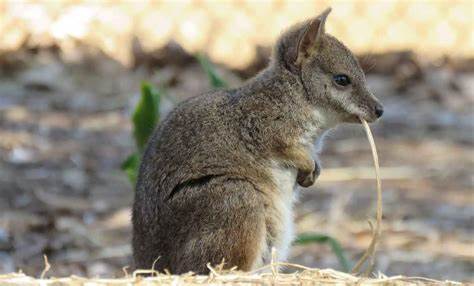
Wallabies, while native to Australia, have become a significant pest problem in New Zealand, particularly in regions like the South Island. Introduced in the late