
Christmas hours: last shipping day Wed 16 December, back 11 January. See full details
New Zealand’s natural world is extraordinary. Isolated for millions of years, Aotearoa evolved without land mammals, giving rise to unique wildlife found nowhere else — from the iconic kiwi to the ancient tuatara.
These species are more than wildlife. They are taonga, treasures deeply connected to our whenua and to our responsibility of kaitiakitanga — protecting and restoring the natural world for future generations.
But since humans introduced mammalian predators, that balance has been disrupted.
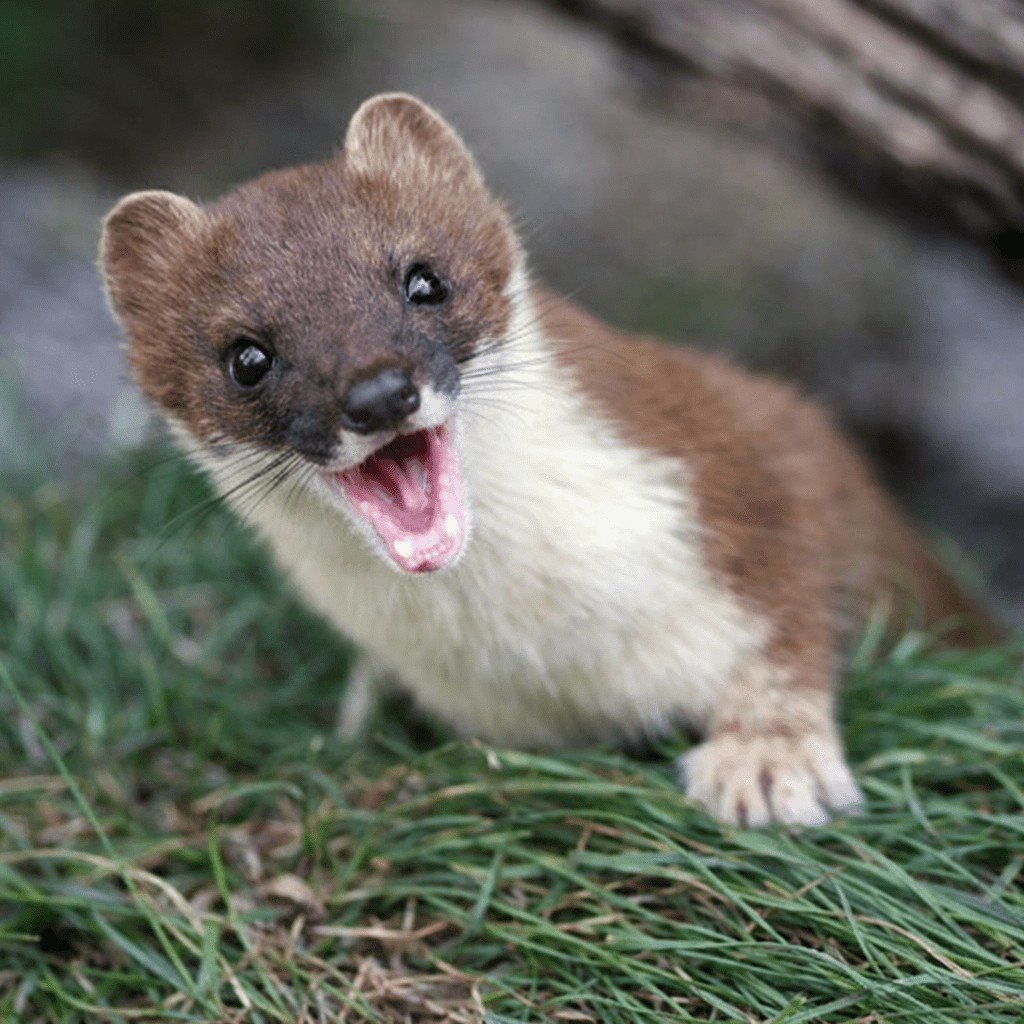
Rats, stoats, ferrets, weasels and possums now threaten native ecosystems across the country. These predators are estimated to kill around 25 million native birds every year, putting many species at risk of extinction.
Source: Department of Conservation
In response, New Zealand launched one of the most ambitious conservation goals in the world: Predator Free 2050.
Achieving this vision will require not only commitment and collaboration, but also innovation in how we manage pests.
Predator Free 2050 is a nationwide effort to remove the most damaging introduced predators from New Zealand by the year 2050.
The primary target species are:
These predators cause severe damage to native birds, reptiles, insects and forests. The goal is to break the cycle of constant pest suppression and move toward permanent eradication across the country.
The initiative brings together:
Together, they are working toward a future where New Zealand’s native wildlife can thrive again.
New Zealand has already achieved remarkable conservation successes. Predator eradication on offshore islands and fenced sanctuaries has allowed many threatened species to recover.
But scaling these successes to the entire mainland of New Zealand presents a much greater challenge.
The country’s landscapes are vast, rugged, and often remote. Traditional trapping and pest control methods can be highly effective locally, but achieving nationwide eradication requires new tools, new technologies, and new strategies.
Researchers widely acknowledge that reaching Predator Free 2050 will depend on scientific breakthroughs and innovative pest control solutions.
Future pest control systems must be:
Innovation will play a critical role in achieving these goals.
Pest control technology in New Zealand has advanced significantly over the past decades.
Modern research focuses on developing tools that are more targeted, more humane, and safer for ecosystems.
One example is PAPP (para-aminopropiophenone), a toxin designed specifically for carnivorous predators such as stoats.
It works by reducing the oxygen-carrying capacity of the blood, leading to rapid unconsciousness.
Because PAPP acts quickly and is relatively selective for carnivores, it represents an important step toward more humane predator control.
For rodents, first-generation anticoagulants such as diphacinone remain valuable tools when used responsibly in controlled baiting programmes.
Compared with highly persistent second-generation anticoagulants, these compounds generally pose lower risks of long-term environmental accumulation and secondary poisoning.
High-dose Vitamin D₃ (cholecalciferol) is another alternative that has gained attention in modern rodent management.
It works through elevated calcium levels in the body and offers a different mechanism compared with anticoagulants.
Together, these tools help create pest control strategies that are both effective and aligned with evolving expectations around environmental responsibility and animal welfare.
Innovation for Predator Free 2050 goes far beyond chemical solutions.
Across Aotearoa, scientists and engineers are developing a new generation of pest control technologies, including:
These technologies can dramatically improve the scale and efficiency of predator control programmes.
They also help reduce labour costs and make large-scale eradication projects more feasible.
While technology plays an important role, Predator Free 2050 is also driven by people.
Thousands of community groups across Aotearoa are already involved in predator control — setting traps, monitoring wildlife, and restoring local habitats.
Iwi and hapū-led conservation initiatives are also leading powerful restoration efforts grounded in cultural knowledge and stewardship of the land.
These community efforts form the backbone of the predator-free movement and demonstrate the collective commitment New Zealanders share to protecting te taiao — the natural world.
Predator Free 2050 is often described as one of the most ambitious conservation projects ever attempted.
But progress is already visible. In areas where predators have been removed or heavily suppressed, native bird populations are recovering, ecosystems are regenerating, and biodiversity is rebounding.
With continued investment in science, innovation, and community action, New Zealand has the opportunity to lead the world in large-scale ecosystem restoration.
For companies like Connovation, the mission is clear: develop pest control solutions that are effective, humane, and environmentally responsible.
Every innovation brings us closer to a future where forests once again echo with birdsong and the unique wildlife of Aotearoa can thrive.
Predator Free 2050 is more than a goal — it is a commitment to protect the natural heritage of this land for generations to come.