
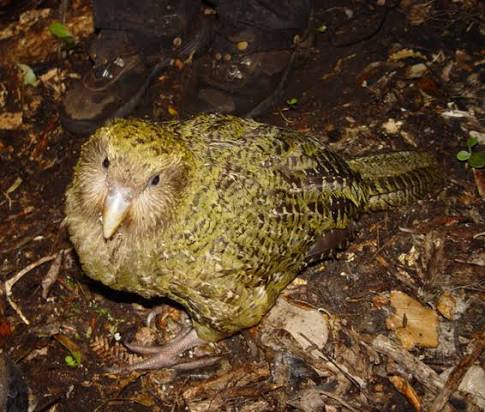
When people hear Predator Free 2050, it’s easy to imagine huge conservation projects, helicopters flying into remote valleys, or teams of rangers working deep in native bush.
Those efforts are incredibly important-but they’re only part of the story.
The truth is, Predator Free 2050 starts much closer to home.
Whether you live on a lifestyle block, in the suburbs, or in the middle of a city, your backyard can play an important role in protecting New Zealand’s native wildlife. Every trap checked, every bait station maintained, and every predator removed creates another safe space for our taonga species.
The best part?
You don’t need to be an expert to make a difference.
Here are five simple ways you can help.
One of the most effective things you can do is install traps around your property.
Rats, mice and possums don’t recognise property boundaries. A single breeding pair can quickly spread through a neighbourhood, so reducing pest numbers on your own section benefits the wider community too.
Start by identifying which pests are common in your area, then choose traps designed specifically for those species. Position them where pests are likely to travel-along fences, near vegetation, beside sheds or around compost bins.
The key isn’t having dozens of traps.
It’s checking them regularly.
A well-maintained trap is far more effective than one that’s forgotten about after a few weeks.
Sometimes trapping alone isn’t enough.
Bait stations can be an effective way to control rodents, particularly when populations are high or difficult to reach.
If you choose to use bait, always use secure bait stations to help protect children, pets and non-target wildlife.
At Connovation, we believe effective pest control should also be responsible. That’s why we’ve focused on developing products using first-generation anticoagulants like diphacinone, alongside innovative humane actives such as high-dose Vitamin D₃ and PAPP, rather than relying on persistent second-generation anticoagulants like brodifacoum.
Using the right product, in the right place, makes all the difference.
Sometimes the easiest way to control pests is to stop making your property attractive to them in the first place.
That might mean securing rubbish bins, cleaning up fallen fruit, storing animal feed properly, or trimming back overgrown vegetation that provides shelter.
Even small changes can reduce food and nesting opportunities, making your backyard a less appealing place for rats and mice to settle.
Think of it as giving pests fewer reasons to move in.
Here’s something many people don’t realise.
Pests don’t stop at your fence.
If you’re controlling rats but the property next door isn’t, chances are you’ll soon have new visitors.
Some of New Zealand’s most successful predator control projects haven’t been driven by individuals-they’ve been driven by communities.
A quick chat over the fence can often spark a neighbourhood trapping effort that protects an entire street rather than a single backyard.
When communities work together, the results are far greater than the sum of their parts.
Not everyone has time to check traps every weekend-and that’s okay.
There are plenty of other ways to contribute.
Many local conservation groups are always looking for volunteers to help with trap lines, monitoring wildlife, planting native trees or maintaining equipment. Others welcome donations that help fund bait, traps and ongoing predator control.
Whether you can spare an afternoon or simply support the organisations doing the work, every contribution helps move Aotearoa closer to Predator Free 2050.
It’s easy to think someone else will protect New Zealand’s wildlife.
But the reality is, Predator Free 2050 will only succeed because thousands of everyday New Zealanders choose to get involved.
Every trap set.
Every bait station checked.
Every conversation with a neighbour.
Every volunteer hour.
Individually they may seem small.
Together, they create safer habitats for kiwi, kererū, kākā, tīeke and countless other native species that make Aotearoa unlike anywhere else in the world.
At Connovation, we’re proud to support the people doing this work every day-whether they’re professional pest controllers, community groups or simply someone looking after their own backyard.
Because protecting our biodiversity doesn’t always begin in the bush.
Sometimes it starts just outside your back door.