Wētāpunga: Bringing Back the Giant Wētā to Mainland Aotearoa
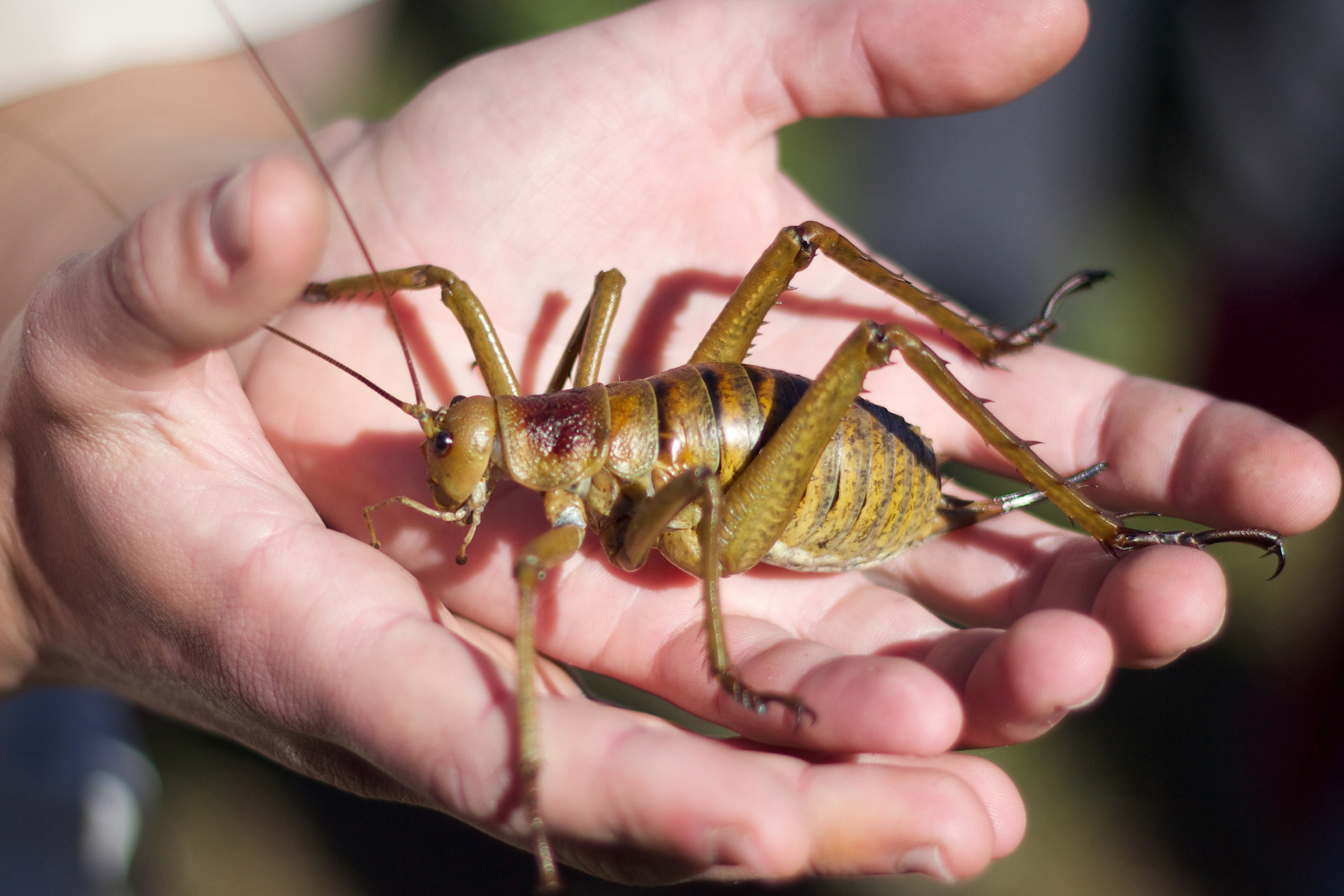
Image credit: By Dinobass – Own work, CC BY-SA 4.0, https://commons.wikimedia.org/w/index.php?curid=42040205 If you have spent time in the protected forests or delved into the caves
Image credit: By Dinobass – Own work, CC BY-SA 4.0, https://commons.wikimedia.org/w/index.php?curid=42040205 If you have spent time in the protected forests or delved into the caves
Outdoor Classroom Day is an international initiative to help get the next generation outside, learning amongst nature and improving their overall hauora/wellbeing. This happens twice

It is an unfortunate side effect that, as we humans continue to grow in number, developmental / environmental restoration projects are necessary to accommodate us.

Aotearoa has a vast supply of unique native species unlike anywhere else on Earth – nature which needs protection. With over 4000 species either threatened with extinction or at risk of becoming threatened, it is more important than ever to band together to keep our beautiful country safe. Luckily, with the help of organisations, community groups, and individuals, there is plenty being done – and you can help.
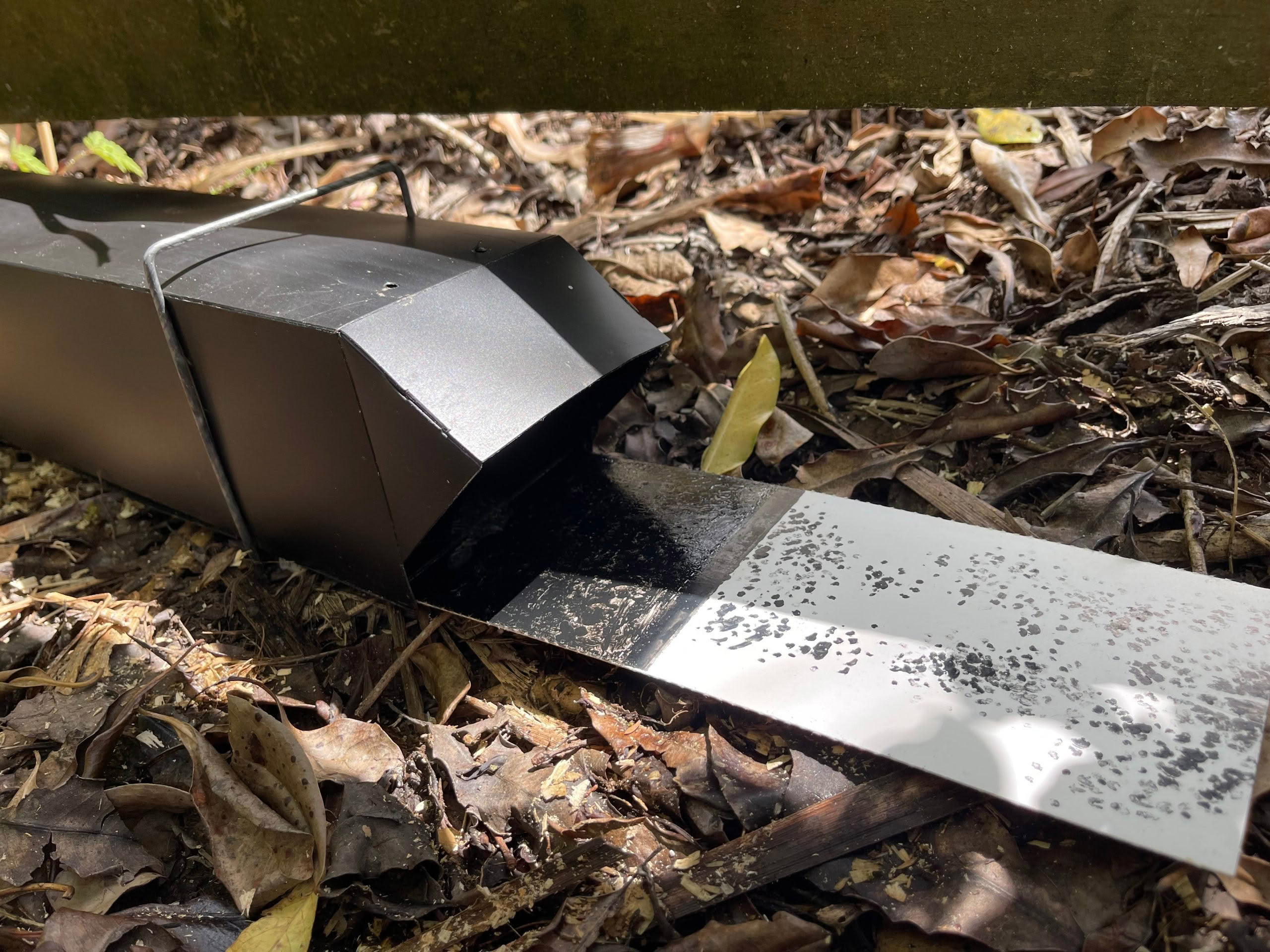
A practical guide to identifying pest species before control begins When it comes to pest control in Aotearoa, one of the most important steps is

Aotearoa’s Natural Legacy: Beauty on the Brink
New Zealand’s natural environment is globally exceptional. Isolated for millions of years, our islands evolved species that exist nowhere else – like the kākāpō, kiwi, tuatara, and giant wētā. But this very isolation is also our ecological Achilles’ heel. Without mammalian predators during their evolution, our native flora and fauna lack the defences to survive the onslaught of pests introduced by humans over the past few centuries.

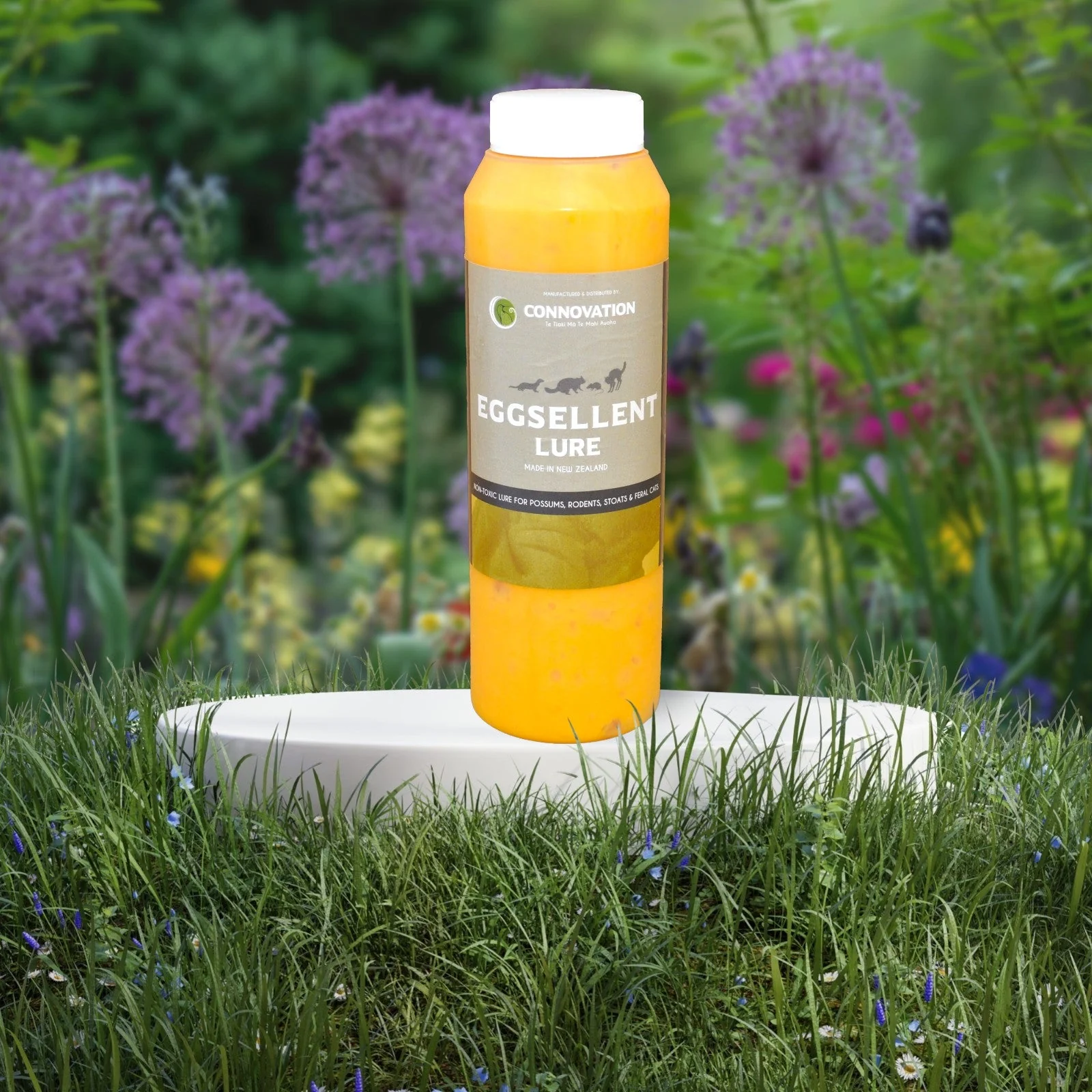
If you’ve ever cracked open a fresh egg in the bush, you’ll know one thing immediately: It doesn’t stay unnoticed for long. For decades in

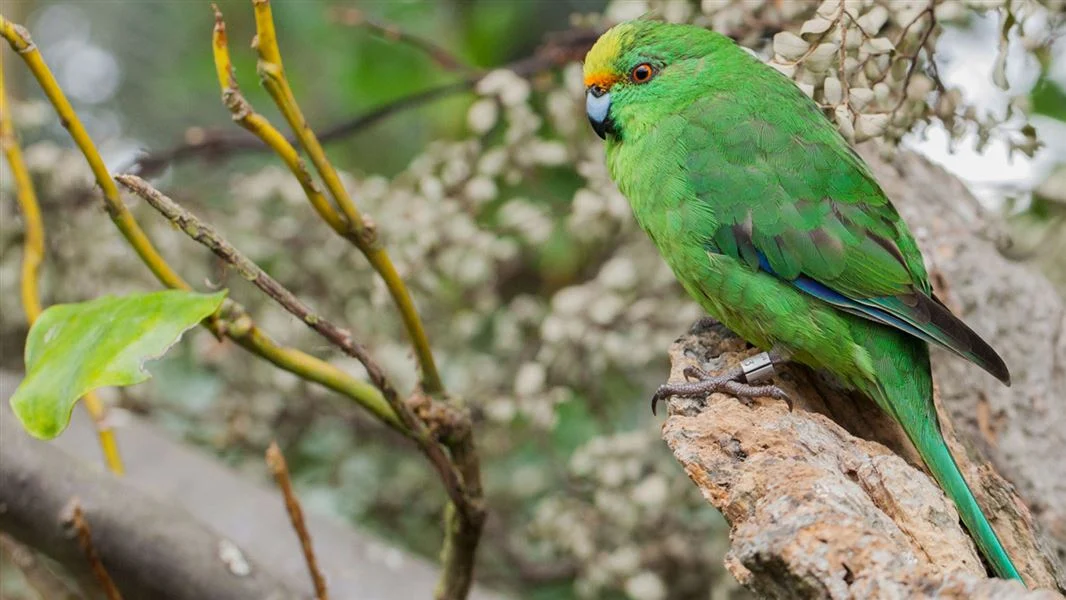
Kākāriki Karaka (orange-fronted parakeet). Image: Department of Conservation, New Zealand If you’re lucky enough to spot a kākāriki karaka, it feels a little magical –

The Limits of Island Sanctuaries As numbers grow, the three main islands face increased pressure: • Limited territory• Competition for resources• Fewer opportunities for genetic

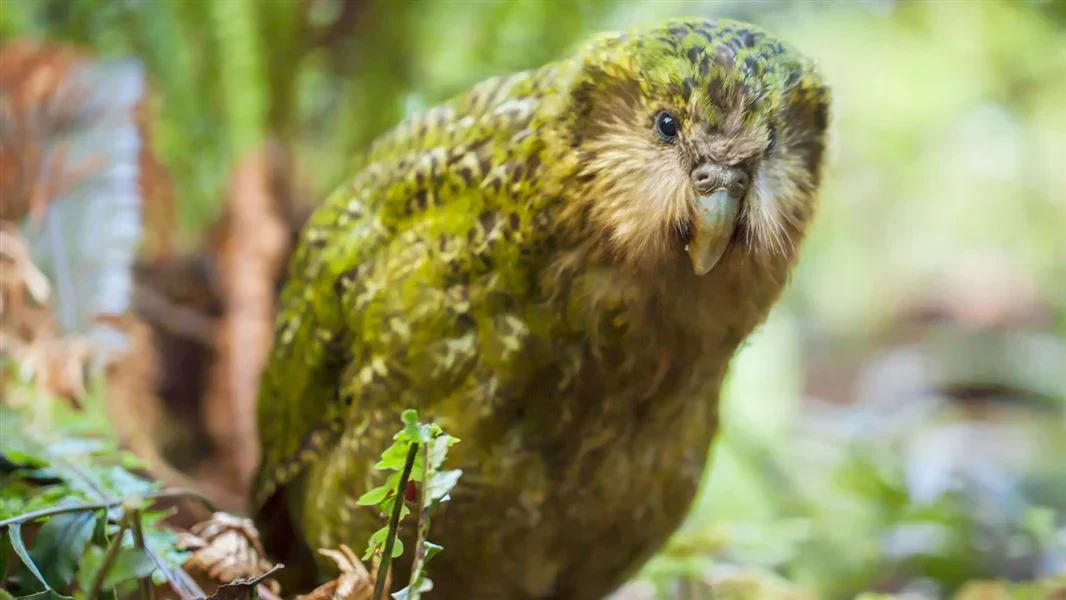
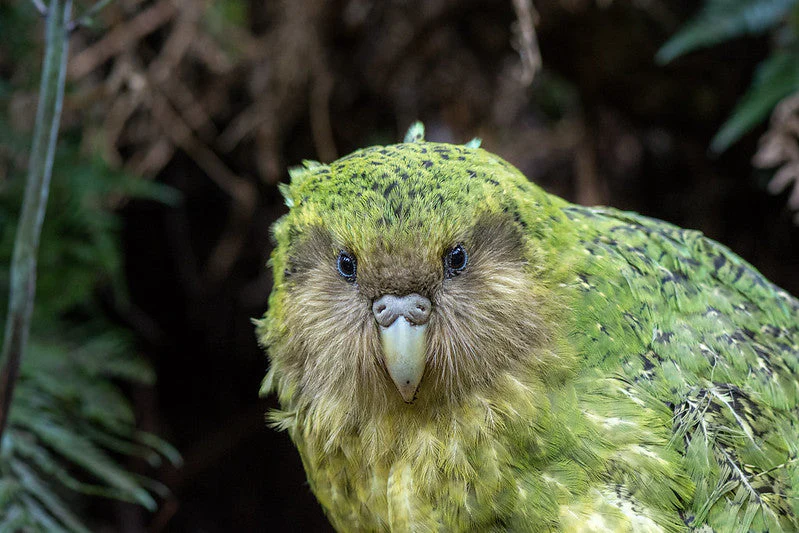
Image credit: Kākāpō Recovery / Department of Conservation (DOC) Its story is full of resilience – fragile, remarkable, and still being written across the whenua

Photo © Oscar Thomas — eBird S33787886, Macaulay Library ML45956411 It’s one thing to save a species from extinction. It’s another to ensure it thrives.The

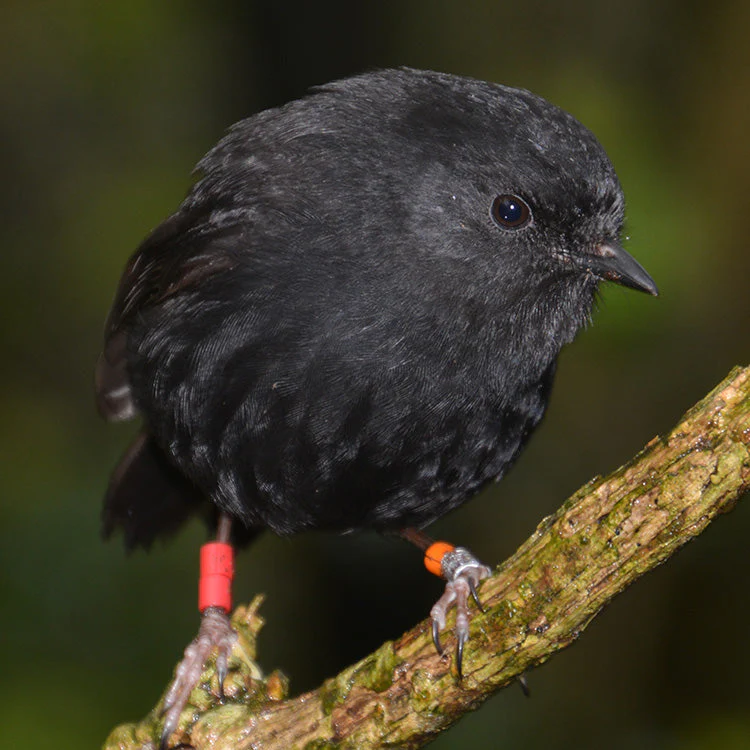
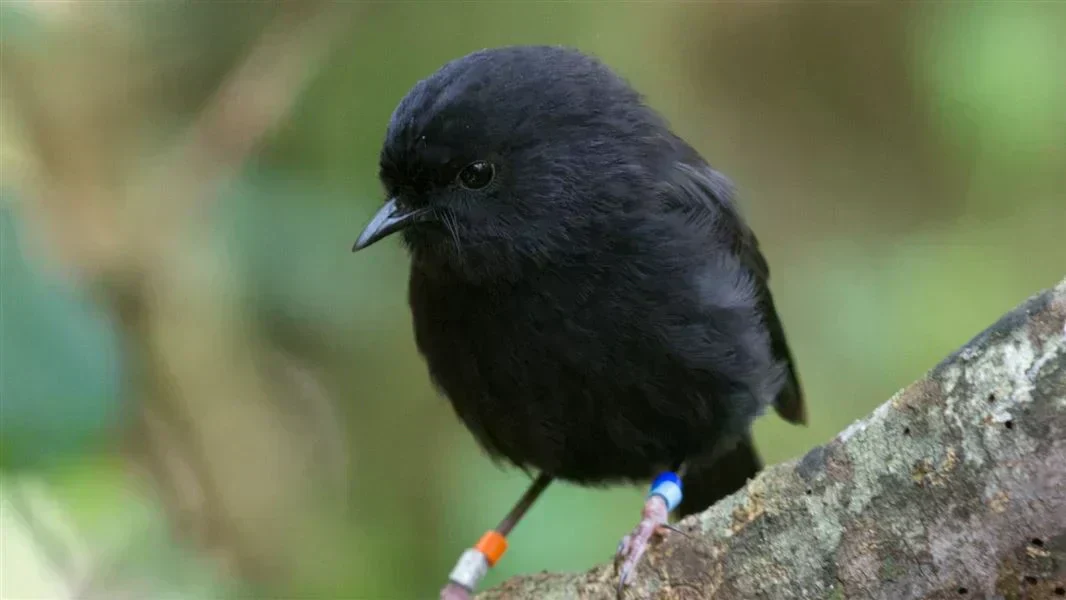
Photo: Department of Conservation (DOC) Imagine a world where only five individuals stand between a species and extinction. That was the reality for the Chatham Island