A Comprehensive Guide to Identifying Chew Marks Left by Common Pests
Chew marks around your property indicate the presence of unwelcome visitors that might harm your environment. Identifying these marks is crucial for implementing effective pest
Chew marks around your property indicate the presence of unwelcome visitors that might harm your environment. Identifying these marks is crucial for implementing effective pest
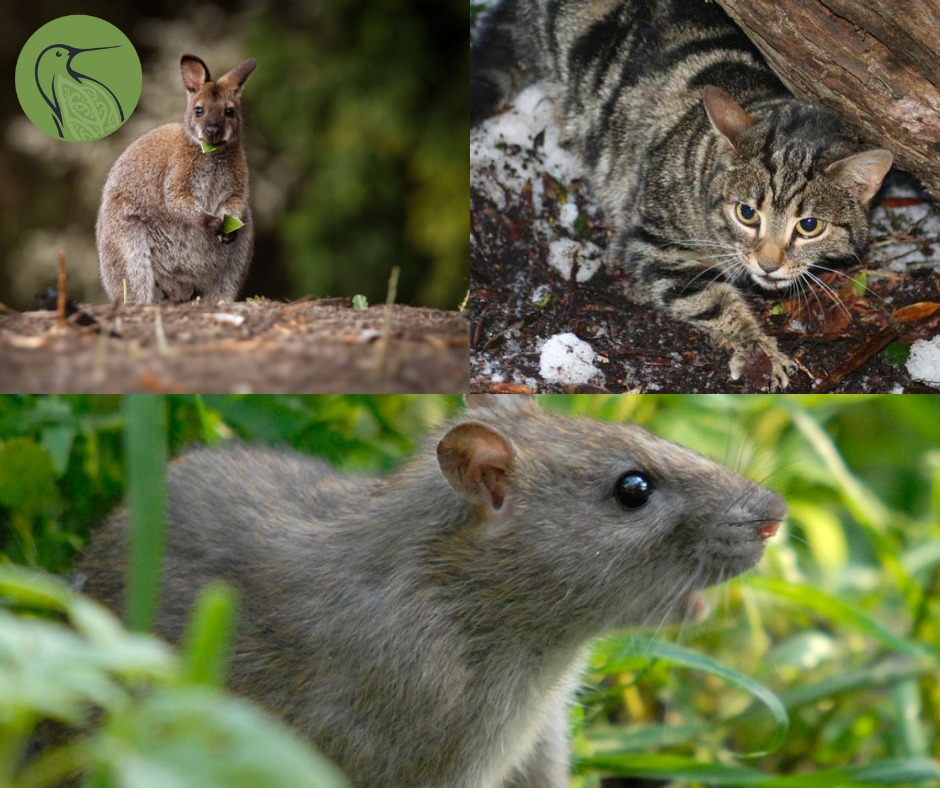
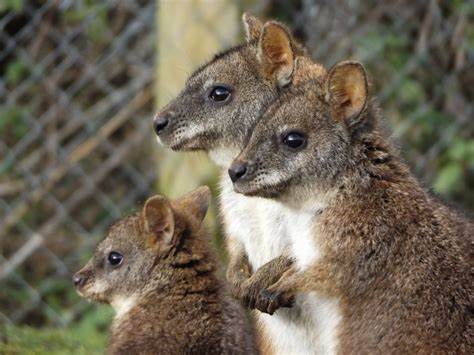
While adorable to some, dama and parma wallabies pose significant ecological and agricultural challenges in New Zealand. These small marsupials, introduced from Australia, have become

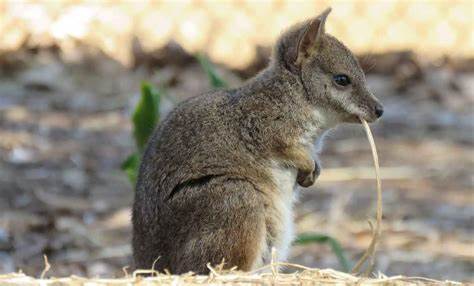
Wallabies, while native to Australia, have become a significant pest problem in New Zealand, particularly in regions like the South Island. Introduced in the late

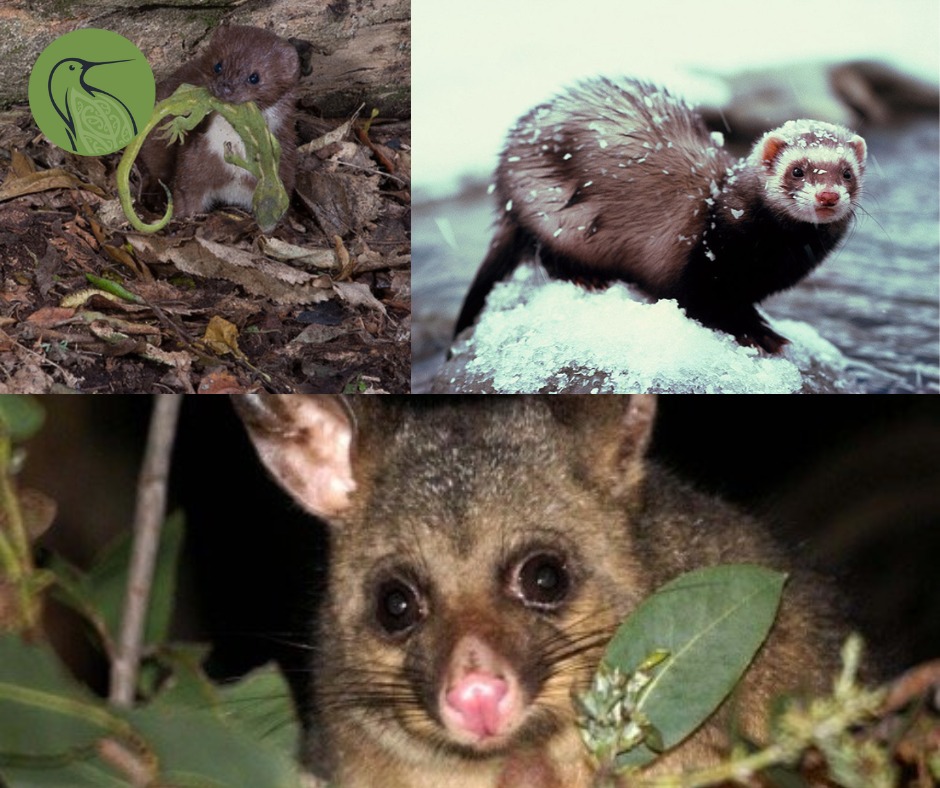
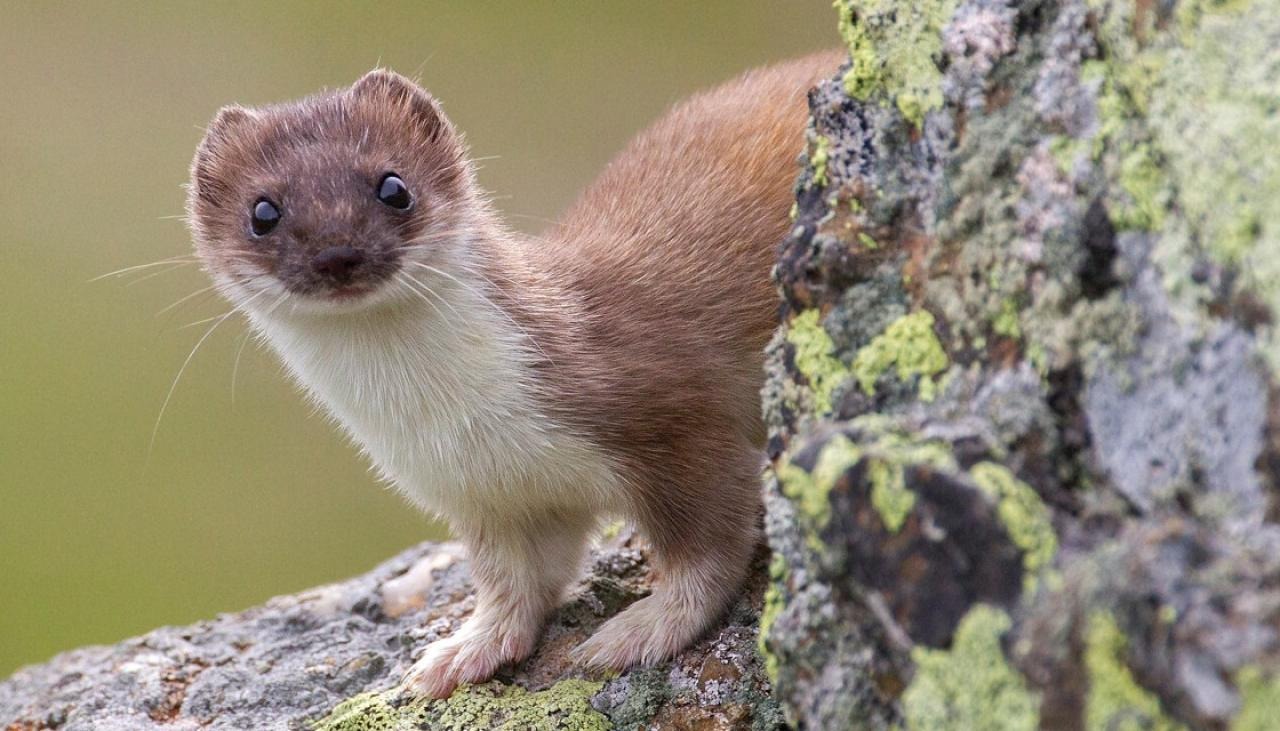
Stoats, part of the mustelid family, are non-native predators in New Zealand. Since their introduction in the 1800s, they have adapted well to the local

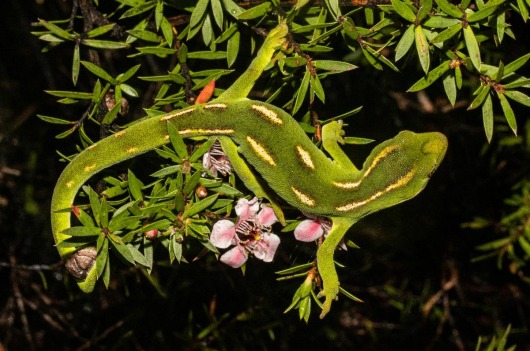
New Zealand is home to an extraordinary variety of lizards, with 125 distinct species, including geckos and skinks, spread across diverse environments. However, these fascinating

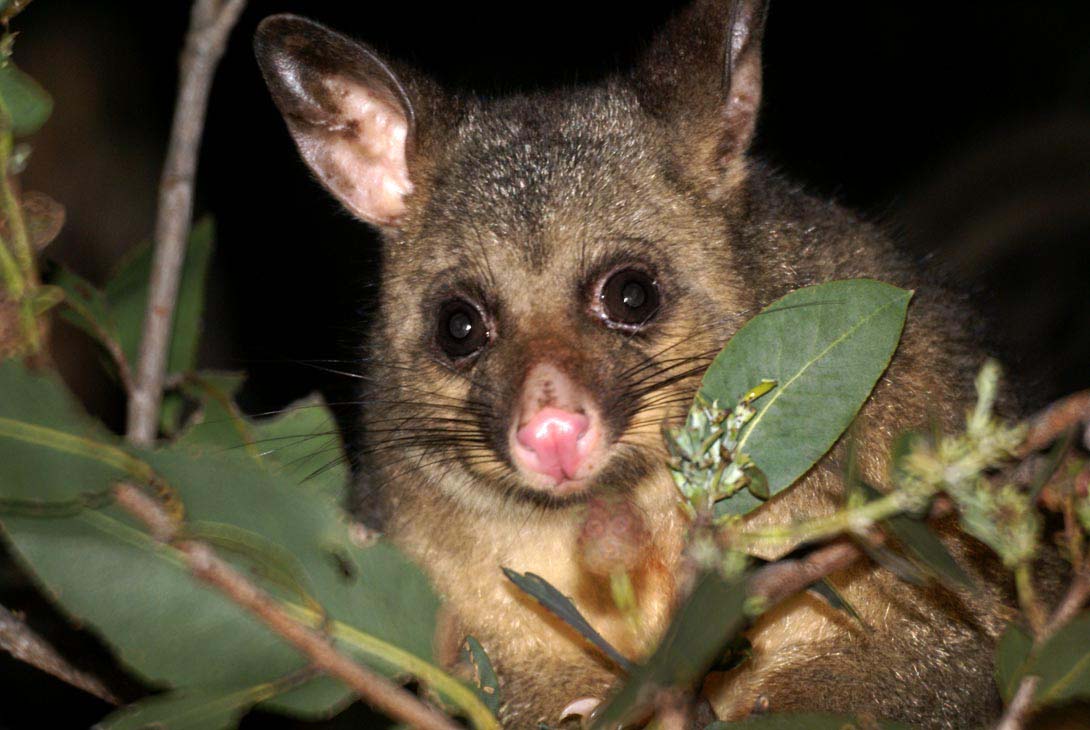
Possums are a common pest in urban environments, where they can cause significant damage to gardens and roofs. Controlling possum populations in cities requires a

Introduction Pest control is a critical issue worldwide, with each region developing unique strategies to manage invasive species and protect their ecosystems. This blog explores

New Zealand has emerged as a global leader in pest eradication, particularly on islands, demonstrating innovative strategies and significant achievements in protecting its unique biodiversity.

New Zealand’s commitment to protecting its unique biodiversity has led to the implementation of stringent regulations around the use of hazardous substances, including pest control

Urban areas face unique pest control challenges due to high population density, diverse pest species, and varying environmental conditions. Effective pest management in these settings

Stoats are non-native predators in New Zealand that pose significant threats to the country’s biodiversity. Introduced in the 1800s, these mustelids have adapted well, preying

Wallabies, non-native to New Zealand, have become a significant ecological and agricultural threat. Introduced in the late 19th century, wallabies have since expanded their range