
$26.75 – $235.39Price range: $26.75 through $235.39 incl GST
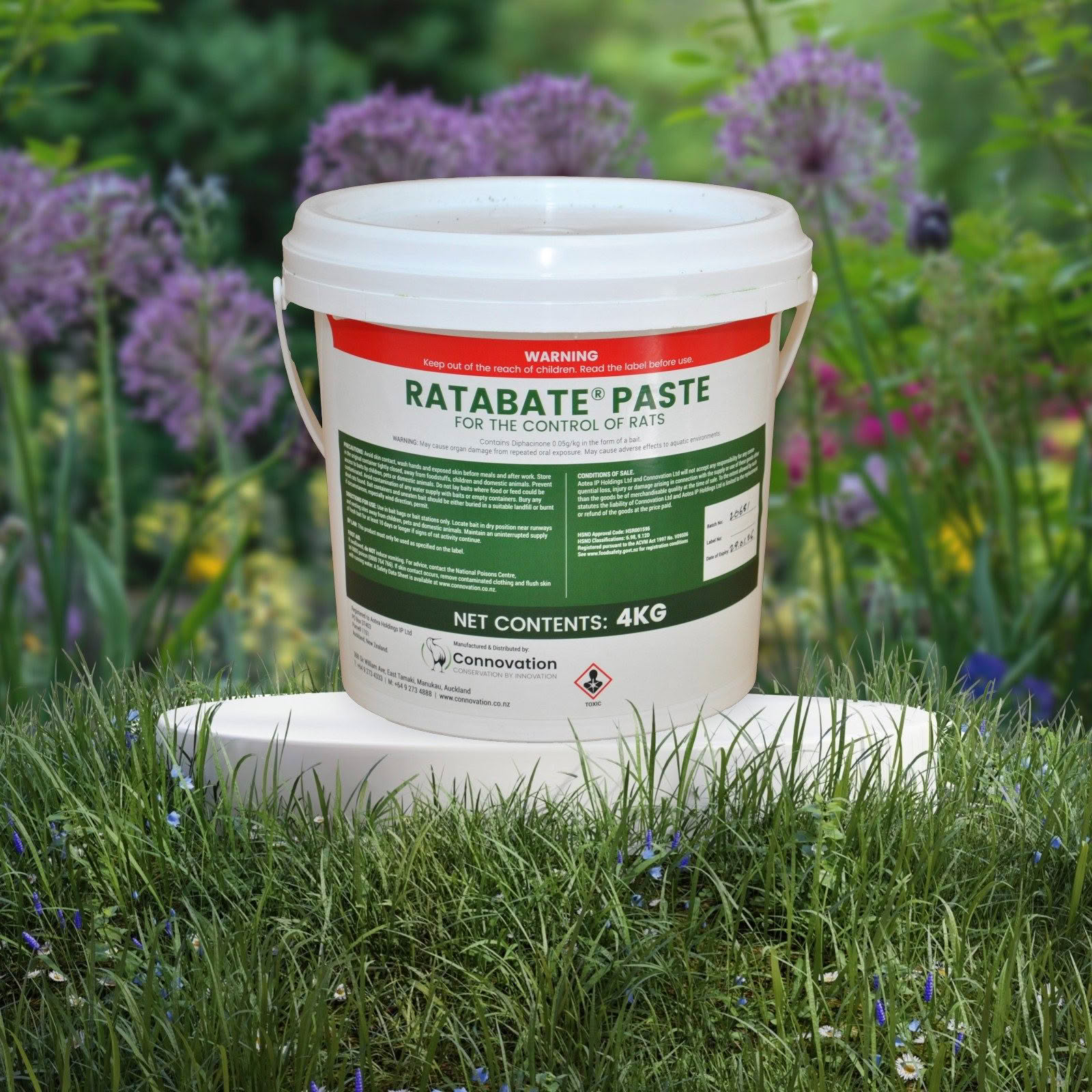
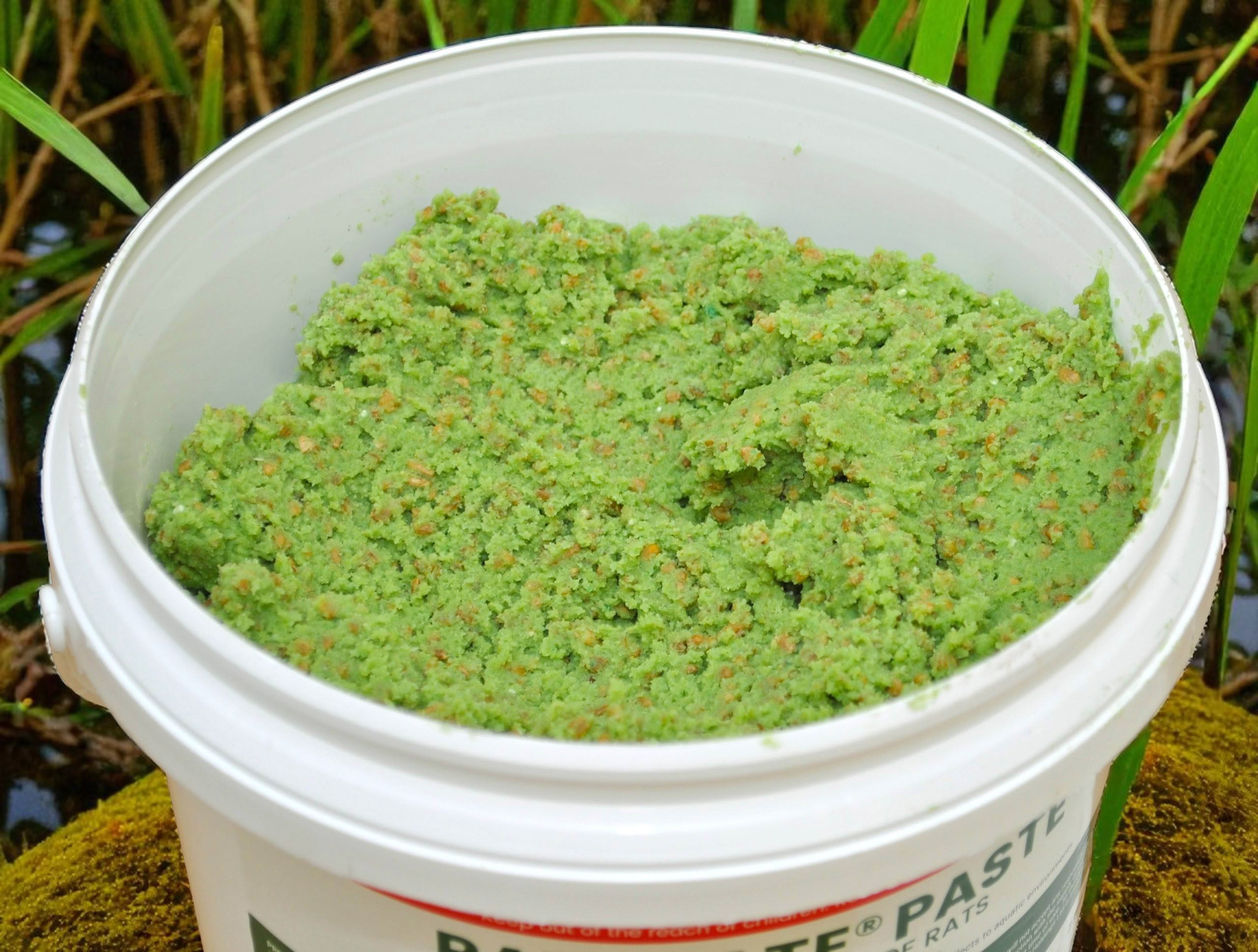
RatAbate Paste is a highly palatable bait that delivers effective rat control.
The active ingredient, Diphacinone, is a first‑generation anticoagulant. Because these anticoagulants have a short half‑life, they carry a much lower risk of secondary poisoning, making RatAbate a smart option for farms and environmentally conscious users.
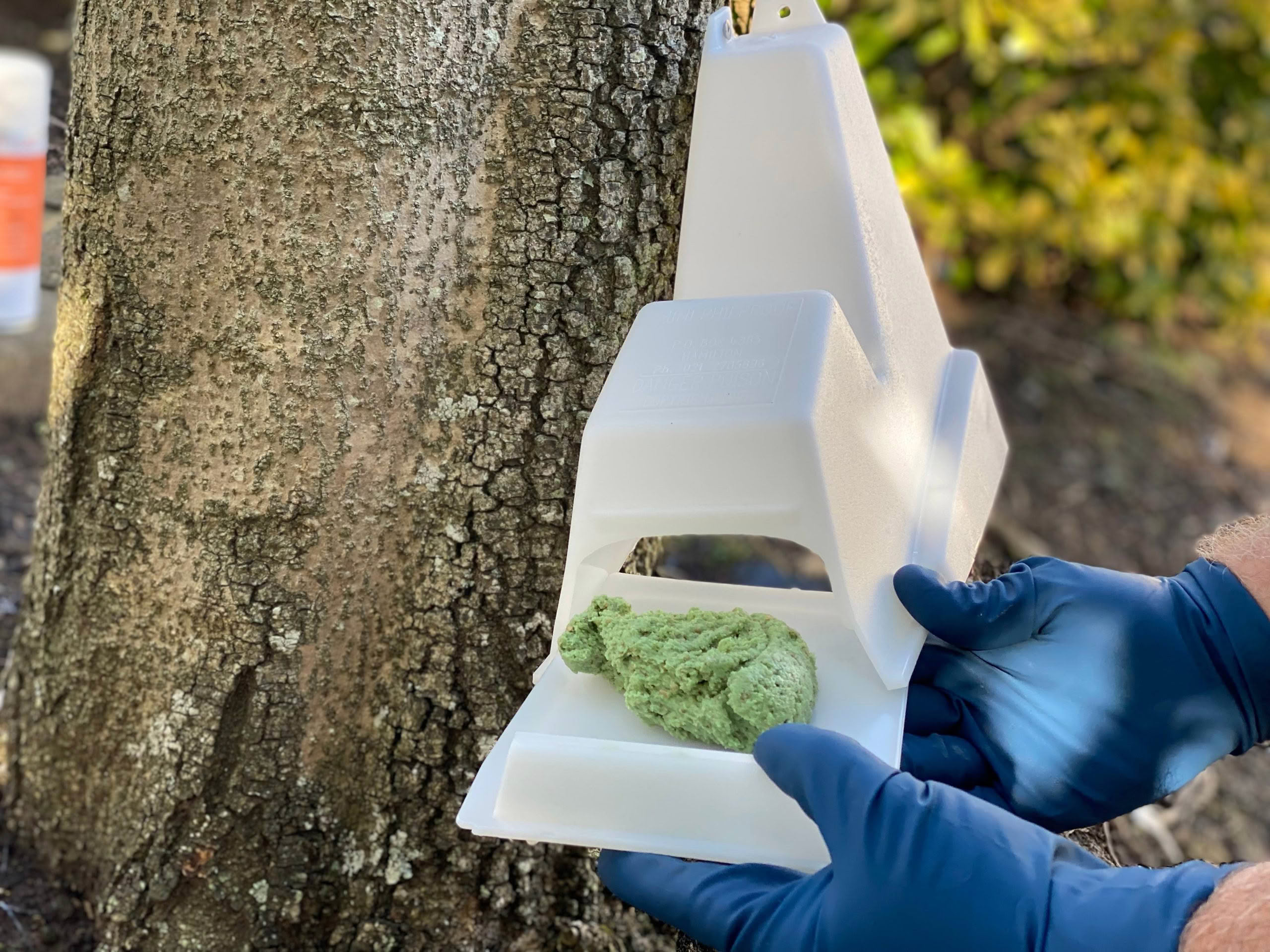
For best results, place RatAbate Paste inside purpose‑built rat bait stations such as our Run Through or Zig Zag models.
For more options, see our range of rodent control products.
Read the Safety Data Sheet (SDS), which is available on our website. Put gloves on before applying.
Use appropriate bait stations, such as Run Through or Philproof, to minimise access to baits by non-target animals. If necessary, fit the excluder baffle for the Philproof to exclude possums and birds.
Bait should be placed for rats using a minimum of a 50 x 50 metre grid in a rural setting. In an urban setting place bait stations along walls, near compost bins or other areas where activity has been observed. Place enough bait to ensure that there is an uninterrupted supply of bait for all rats for at least ten days, or until rat activity ceases.
RatAbate contains Diphacinone, a first‑generation anticoagulant. Its short half‑life means it carries a much lower risk of secondary poisoning, making it suitable for farms and environmentally conscious users.
RatAbate Paste has been used to control rats in New Zealand since 2006, giving it a long, proven history of effective performance.
Diphacinone has a short biological half‑life — around 3 days in tissue and blood. Compared with Brodifacoum (130–300 days), this means:
Because RatAbate Paste contains only 0.05% diphacinone, a dog must eat a large amount of paste to reach a dangerous dose. The risk depends heavily on the dog’s size.
Small dogs (5–10 kg) are at the highest risk because their body weight is low, and would need to eat 200–400 g of paste to reach a potentially dangerous dose. This is equivalent to most or all of the paste inside a bait station.
Medium dogs (10–25 kg) would need to eat 400–900 g of paste. This usually means multiple bait stations or a large tub of paste. Accidental poisoning is uncommon unless a dog gains direct access to stored bait.
Large dogs (25–40 kg) would need to eat 1–1.5 kg of paste. This is significantly more than a dog could access from a properly used bait station. Large dogs are at lower risk from single‑event ingestion.
Very large dogs (40+ kg) would need well over 1.5 kg of paste. Primary poisoning is unlikely unless the dog consumes a large quantity of loose or spilled bait.
Important Notes
Our advice is always to contact a vet urgently if you suspect your pet has ingested any toxin.
When used correctly in bait stations, RatAbate Paste presents minimal risk to native birds and non‑target species due to its short half‑life and reduced secondary‑poisoning potential.
Why do birds eat RatAbate Paste?
RatAbate Paste contains grains and sugars that attract rats—but these ingredients also appeal to many bird species. Birds will readily sample paste if it is accessible.
How can I reduce bird access to paste bait?
Can small birds like waxeyes or silvereyes be harmed by RatAbate Paste?
Waxeyes typically weigh 12–20 g and would need to consume around 80–130 g of RatAbate Paste to reach an LD50. This means lethality is low, though repeated feeding could cause sublethal clotting effects.
Fantails weigh only 8–10 g and would need 50–70 g of paste to reach an LD50. They rarely eat paste, and the expected outcome is very low lethality with minimal sublethal risk.
House sparrows (27–30 g) would need 160–190 g of paste to reach an LD50. They have a moderate sublethal risk, and occasional mortality is possible if they repeatedly feed.
Blackbirds weigh 90–110 g and would need 520–700 g of paste to reach an LD50. They face a moderate to high sublethal risk, and mortality is possible with repeated feeding.
Starlings (75–85 g) would need 440–600 g of paste to reach an LD50. They have a moderate risk, with mortality possible if they feed over several days.
Mynas weigh 100–120 g and would need 600–760 g of paste to reach an LD50. They have a higher risk, and mortality is plausible if they repeatedly consume paste.