Christmas hours: last shipping day Wed 16 December, back 11 January. See full details
Quality rodent traps
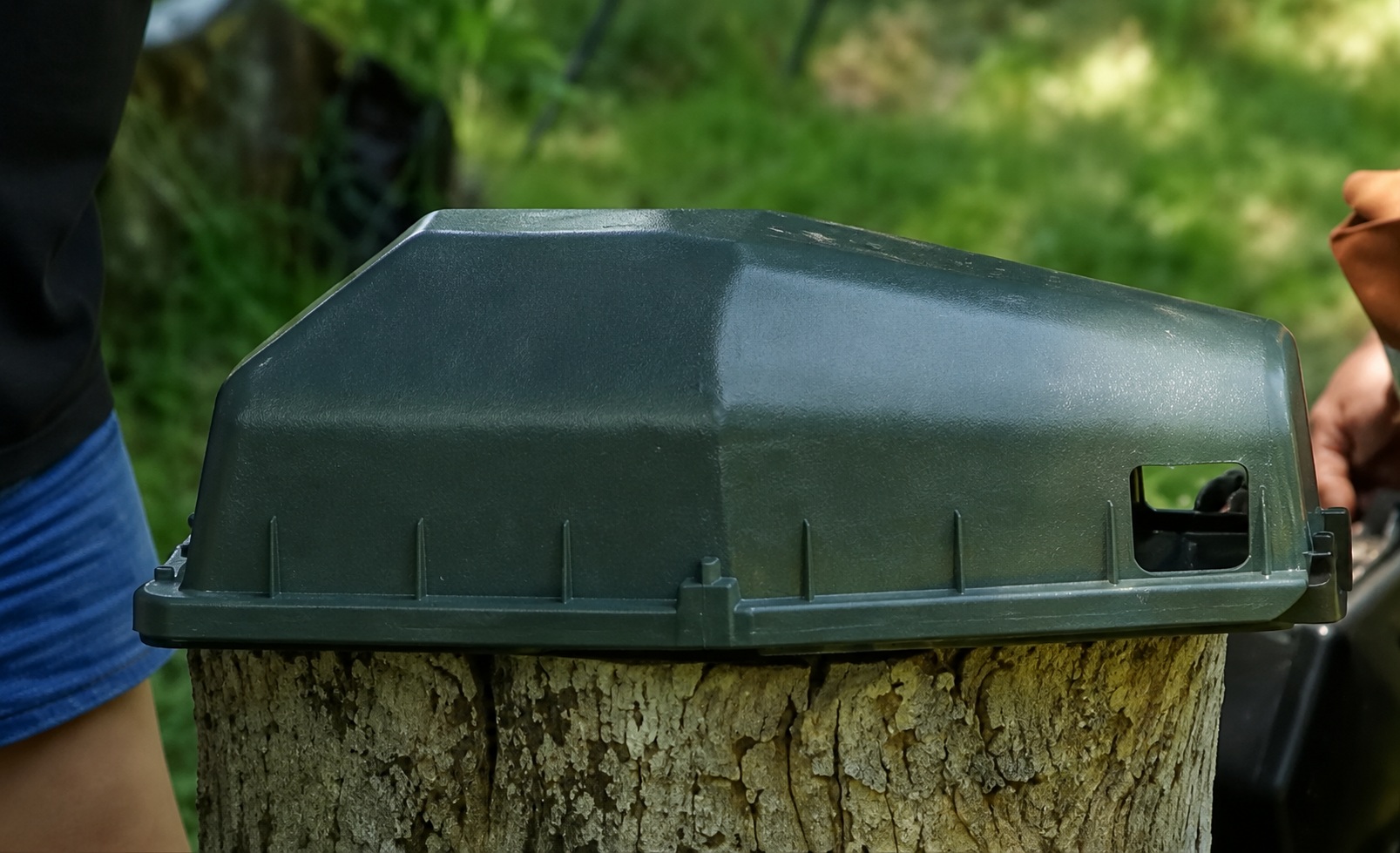
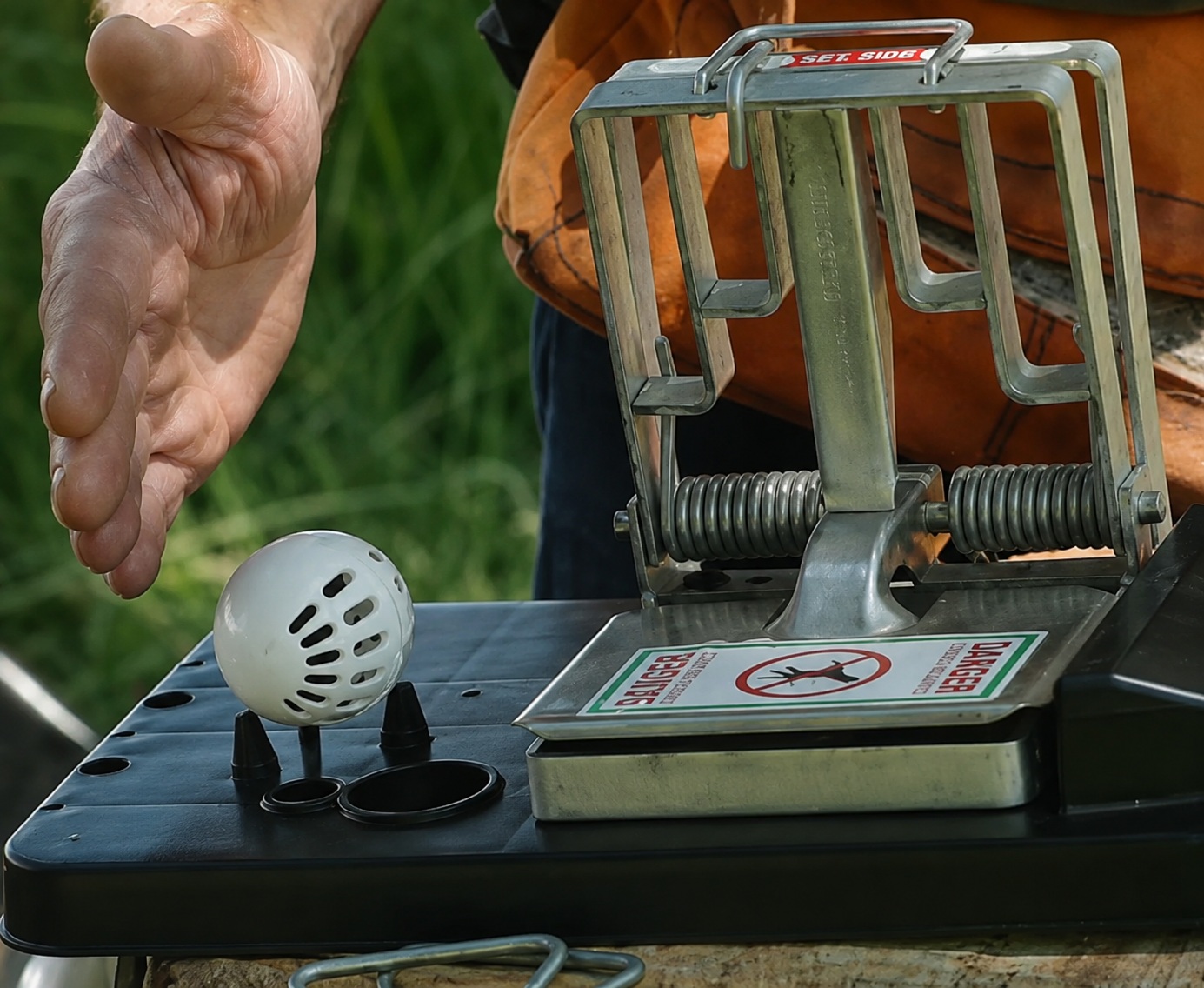
Whether you’re trapping rats and mice around the house, backyard or on a larger scale in the bush, we have a range of humane rodent traps for your situation. Made from heavy-duty, quality components, our rodent traps are easy to use, safe, and efficient.
Our rodent trap range includes traps that:
• are New Zealand made
• are ground or tree-mounted
• are highly visual to rodents
• have a place to put a lure (improves the catch rate by luring rats and mice to your trap).
Plus, we have some handy tools to make using our rat traps safer and easier.
Use rodent traps on their own or alongside other rodent control methods depending on your infestation levels.
Rodent trapping tips
Boost your success rate with our rodent trapping tips:
Put the trap in the right place – this will depend on the trap you’re using and whether you’re doing urban or bush trapping. But generally:
• look for any rat or mouse sign, e.g. droppings, gnawing, feeding activity, etc
Attach the trap firmly and correctly – look at the instructions for the trap you’re using
Attract the rodent with a lure/bait – use:
• peanut butter – rats love chunky texture
• our lure range – either edible or smells
For added attraction, put some lure on the tree – down the tree branch or trunk, below or in front of the trap, leading to the trap entrance
Replace the lure/bait frequently – it won’t attract rodents once it loses its smell.
Note: These are general rodent trapping tips. Experiences will differ depending on the trap used and the situation – urban, rural, or bush. For more information, see each trap instruction sheet.

Start by monitoring. Chew cards and tracking tunnels show which pests are present from their bite marks or footprints, so you don’t spend time and money controlling the wrong pest.
Traps are toxin-free and suit smaller areas, or places where pets and children are around. Toxins in bait stations cover larger areas more efficiently. Many programmes get the best results by using both.
Some toxins require a Controlled Substance Licence (CSL), and these are clearly marked on the product page. We must sight and record your licence before sale. Traps, lures, monitoring tools and many baits don’t need one.
Pests tend to travel along edges, so place them where you’ve seen signs of activity, such as fence lines, bush edges, tracks, streams and sheltered spots near food sources. Keep them out of reach of children, pets and livestock.
Prefeeding means putting out non-toxic bait before introducing toxin. It gets pests used to the taste and location, so they keep coming back, and that makes your control much more effective.
Check them regularly. Remove catches promptly, refresh bait and lures, and look for damage or debris that could stop them working.
When used correctly, following the label and Safety Data Sheet, our products are designed to keep the risk to native species and non-target animals low. Always use toxins in bait stations, display warning signs where required, and keep pets and livestock away from treated areas.
Yes. Most products come in larger quantities for farms, conservation groups and professional pest controllers. Contact our team for bulk orders or advice on the right products for your site.